Officials from both the ruling Democratic Progressive Party (DPP) and the opposition Kuomintang (KMT) continue to disagree about the potential impact of the Anti-Infiltration Bill which passed on Tuesday.
The law has been a source of controversy, with the KMT saying that it’s too vague in defining what counts as “infiltration”. They say they’re concerned that the government will be able to freely interpret the law to fine and imprison those they deemed guilty without sufficient evidence.
The DPP holds a majority in the legislature and was able to pass the bill on Tuesday with a minimal review process, upon a director order from President Tsai Ing-wen.
The KMT’s candidate for president, Kaohsiung Mayor Han Kuo-yu said the law has instilled fear within the public. He pointed to a recent case of a university professor who was questioned by police after criticizing the policies of the National Palace Museum. That case occurred before the anti-infiltration bill was passed, raising concerns that the bill could offer the police even more leeway to bring people in for questioning.
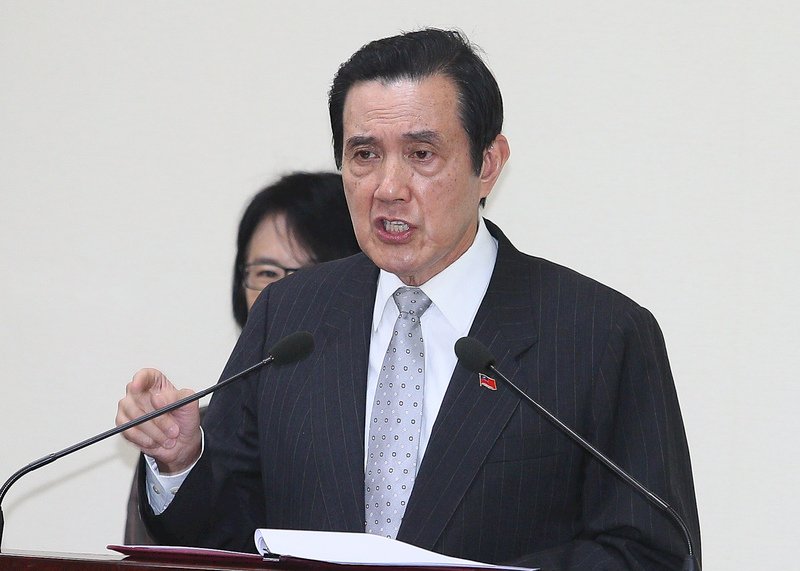
Former President Ma Ying-jeou also expressed concern, saying that he himself could be brought in for questioning, since he has been strongly critical of the Anti-Infiltration Act.
President Tsai Ing-wen did not comment on the specifics of the incident involving the professor, saying that she believed it was handled in accordance with the law. She also said that it is irresponsible to connect the incident with how the Anti-Infiltration Bill will be enforced.