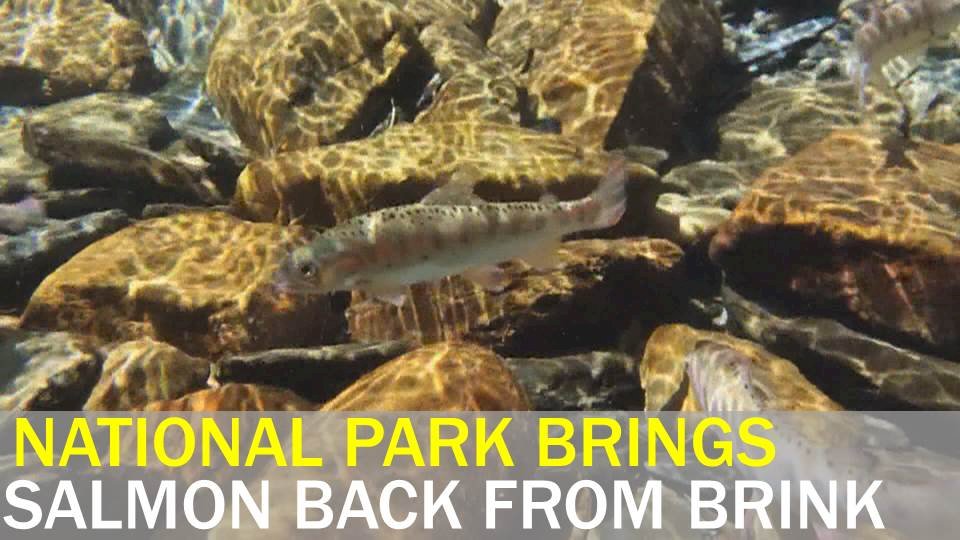
Around 30 years ago, the Formosan landlocked salmon looked like it might soon be finished.
This salmon subspecies native to Taiwan is considered a national treasure. But it only lives in freshwater streams 1,500 meters or higher in the mountains, and problems like overdevelopment around this narrow habitat had driven it near the brink of extinction. Since then, though, one of Taiwan’s national parks has been carefully bringing back its population to sustainable levels. And the wild population has just passed a milestone.
In 1992, there were only around 200 Formosan landlocked salmon left. This fish had survived in Taiwan’s high mountain streams since the last ice age, but it was clear it would need help if it was to last much longer.
That’s when Shei-Pa National Park stepped in. The park has spent years breeding the fish and releasing them into suitable streams. It has also reversed the effects of human development around the salmon’s habitat and organized anti-poaching patrols to protect the fish.
A new population survey taken last year was just released Wednesday, and it shows that all this work has paid off. Based on the survey, researchers estimate the salmon population has broken 10,000, a new high.