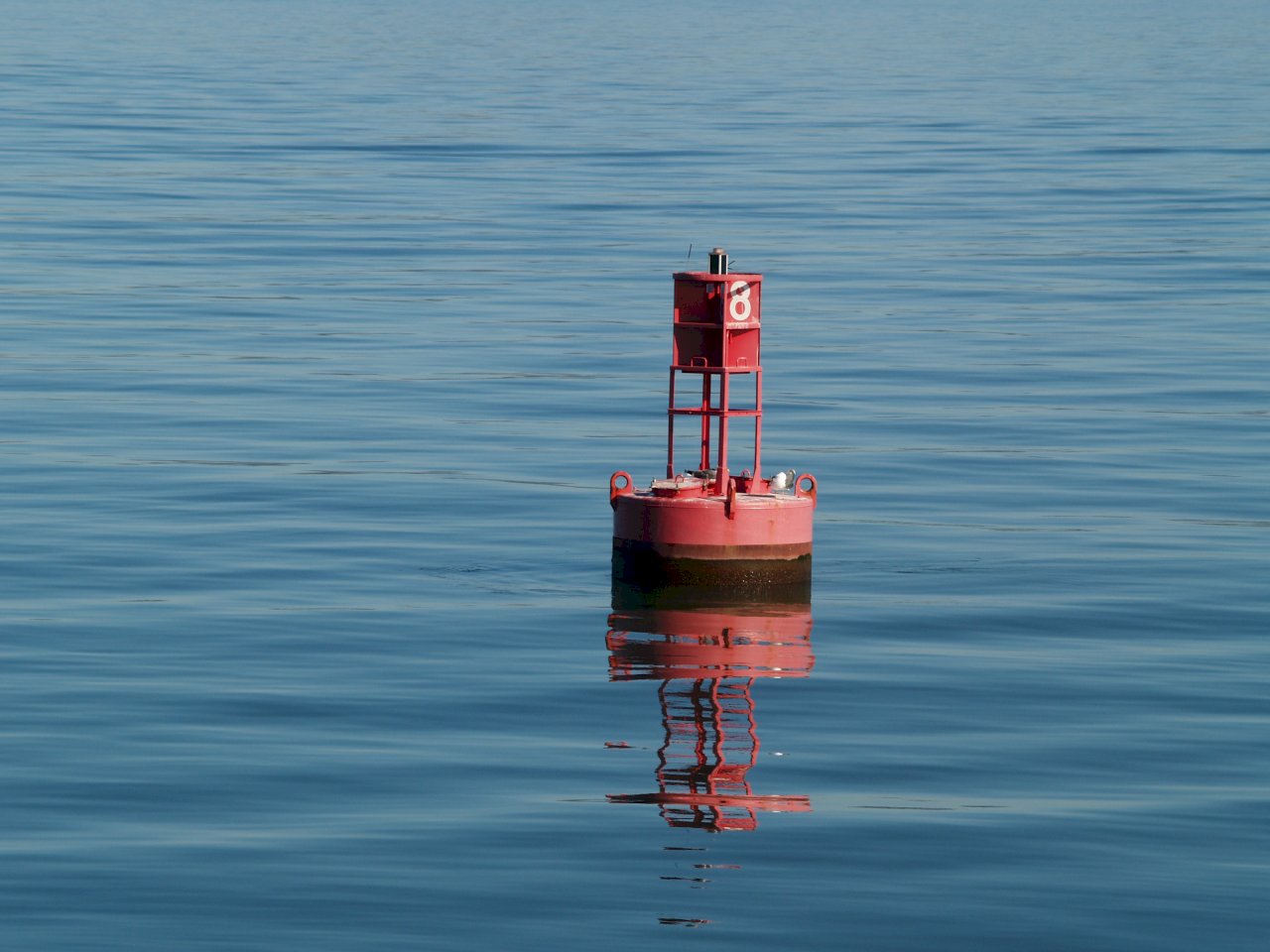
Taiwan is boosting its efforts to detect nuclear waste in the ocean off the northern coast. The Ocean Affairs Council said Monday that it will deploy the country’s first ever nuclear pollution detection buoy.
The news comes two years before Japan is set to release wastewater from the Fukushima Daiichi nuclear power plant into the ocean. The radioactive water has been accumulating since a 2011 nuclear disaster that was triggered by an earthquake and tsunami.
Taiwan’s Ministry of Economic Affairs says it will take around 30 years for Japan to finish releasing all the water.
The Ocean Affairs Council says its new buoy will collect samples of seawater and marine wildlife and analyse their radioactivity. Authorities are particularly concerned about the presence of a radioactive form of hydrogen called tritium. That’s because the filtration process at Fukushima cannot remove it from the water. But experts say it is only harmful to humans in very large quantities.
Scientists will combine the buoy’s data with results from other samples to establish a normal “baseline” figure for radioactive material in Taiwan’s seas. Then, if contaminated water from Japan affects Taiwanese produce, Taiwan will have a strong scientific basis to ask for compensation.
Ocean Affairs Council Deputy Minister Tsai Ching-piao says it could be some time before any effect is felt from the release. If Japanese authorities release the water to the south of Fukushima, ocean currents could carry it to Taiwan in a year at the earliest. But if the waste water ends up on the north side of Fukushima, it could take around seven years to reach Taiwan.