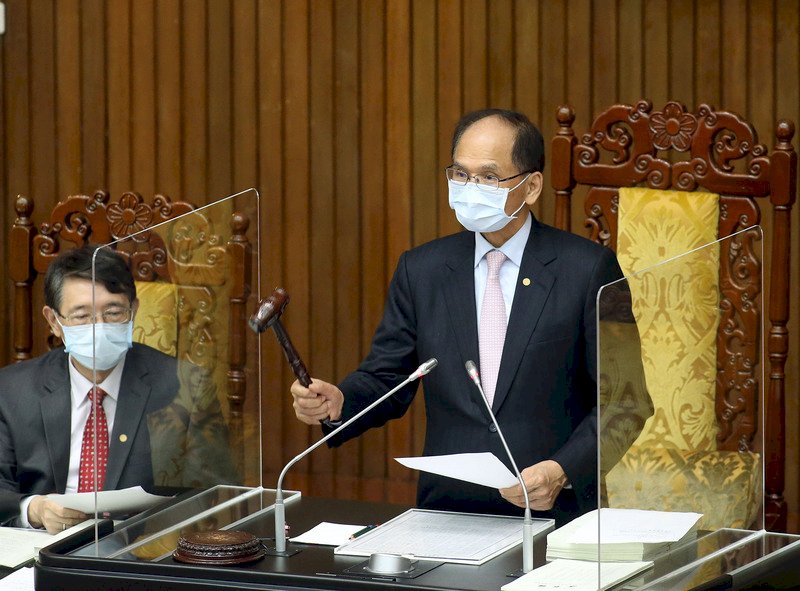
Taiwan’s Legislature passed a fourth COVID-19 relief bill on Monday. The bill allocates an additional NT$210 billion (US$7.63 billion) in stimulus subsidies to offset the economic impact of the country’s latest COVID-19 outbreak. That brings the total subsidies to NT$630 billion (nearly US$23 billion), to be used within one year’s time.
The bill also raises the ceiling for total relief spending by another NT$210 billion (US$US$7.63 billion) to NT$840 billion (US$30.4 billion). The bill is not limited by the Budget Act, and the government will fund it by using past surpluses and by taking on more debt.
During cross-party negotiations on the stimulus bill, lawmakers also passed a number of resolutions. Those include: ensuring that local governments get at least 10% of allocated funds, establishing rapid testing sites at the country’s ports and airports to test all travelers heading to outlying islands, and establishing a task force to help rollout vaccinations for the general public.
Other resolutions include: recommending that Vice President William Lai serve as Commander of the Central Epidemic Command Center, establishing a fund to subsidize paid leave for parents who need to take time off to care for family members, and providing cash allowances for the general public.
Now that the funds have been approved and set aside, the Cabinet says that it will send a draft bill to the Legislature on Thursday, which will provide a more detailed plan for how the government will spend the money.