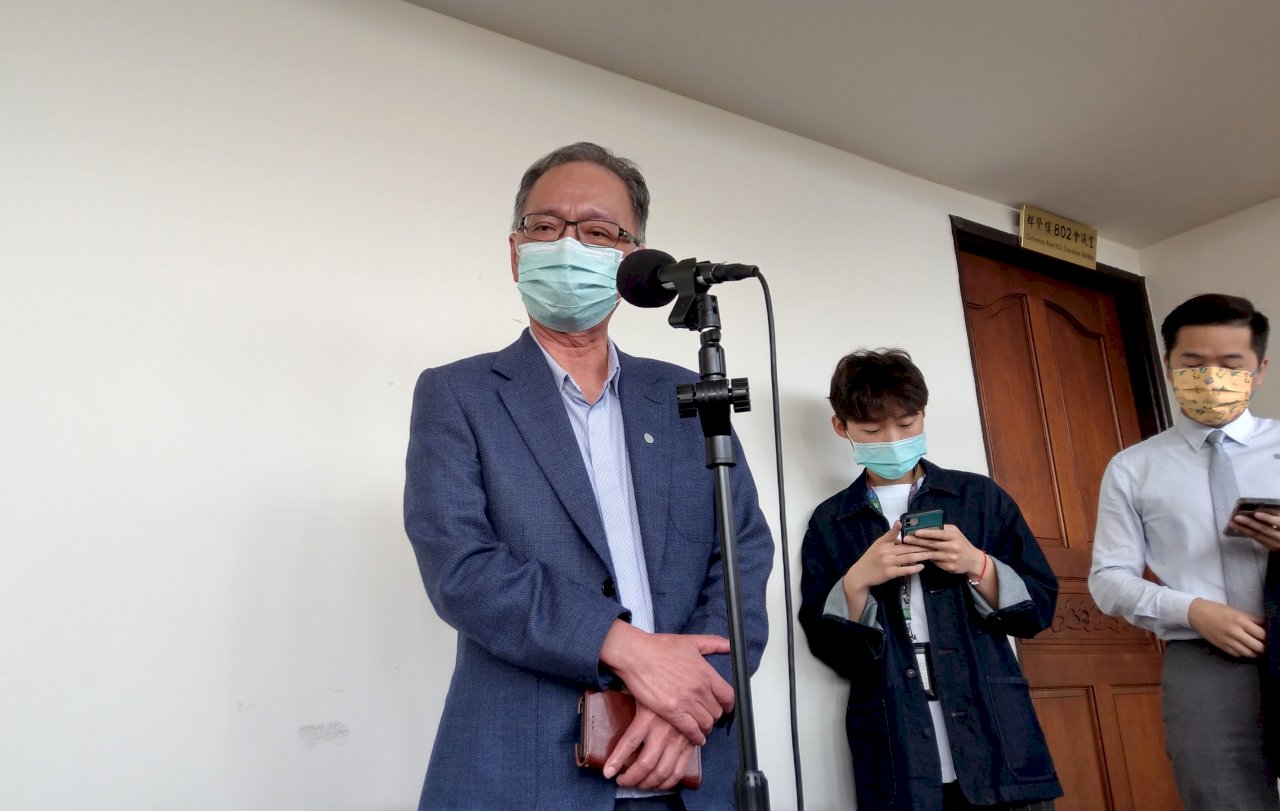
Taiwan’s health ministry has come out to clarify its approach to Taiwan-made vaccines. Deputy Health Minister Hsueh Jui-yuan’s words come after media reports said that the US Food and Drug Administration (FDA) does not approve of using “immunobridging” to authorize vaccines.
Taiwan’s FDA said on June 10 that it would use immunobridging to determine the efficacy of domestic COVID-19 vaccines. The technique works by looking at the body’s reaction to different vaccines. In theory, a stronger response to a vaccine should mean more protection against the disease. Taiwan’s FDA plans to compare people’s immune responses to the AstraZeneca vaccine and Taiwan’s own vaccine, made by Medigen Vaccine Biologics Corp. If Medigen’s vaccine provokes a stronger response than AstraZeneca’s, then Taiwan’s FDA is likely to grant the vaccine manufacturer an emergency use authorization (EUA).
Deputy Minister Hsueh says the US FDA does not have an official position on immunobridging. He says the absence of a position should not be taken to mean that the US FDA disapproves of the technique. Hsueh says Taiwan’s FDA has no plans to change its requirements for granting emergency use authorization.