A ruling party lawmaker has raised concerns that developments in Chinese economic policy could threaten Taiwan's finance industry. Lawmaker Wu Ping-Jui of the Democratic Progressive Party was speaking at the legislature on Monday.
In recent months, Chinese President Xi Jinping has led a government push towards what Xi terms "common prosperity". The Chinese government has enacted sweeping regulations on a number of industries, and is encouraging high income companies and individuals to reinvest in the public domain.
Wu says that China is not following the principles of a free country or market. He says Chinese companies might not distribute profits fairly to shareholders because the government now wants to take a larger proportion.
Wu says these risks have already taken a toll on Hong Kong, which has seen a crash in its stock market after getting tied up in China's business policies.
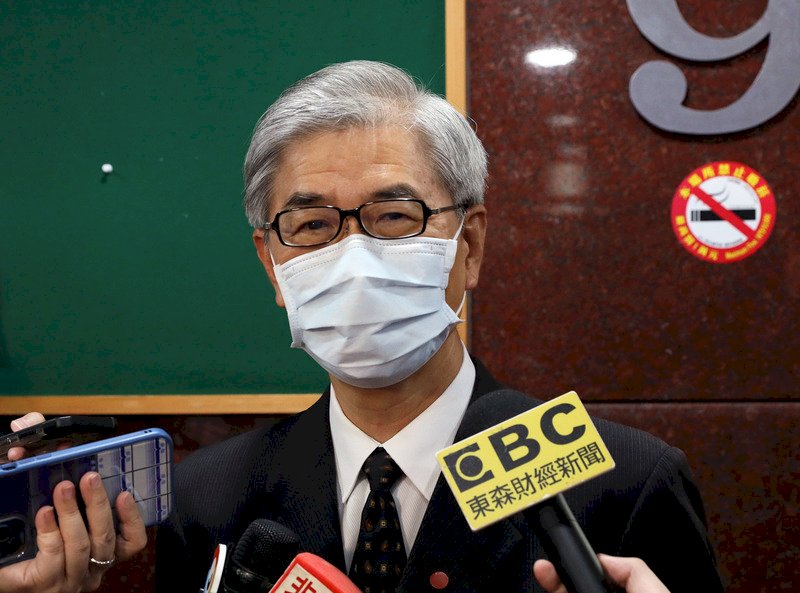
Financial Supervisory Commission Chairman Huang Tien-mu says that the instability in Hong Kong's economy also poses a threat to Taiwan. Therefore, Huang says that over the past year and a half, Taiwan's financial industries have been supervising Hong Kong closely for further changes and slowly withdrawing their investments.
Huang says that Taiwan and the rest of the world needs to be closely calculating and regulating the risk they expose themselves to by investing in China. The unpredictability of China's economic policies means foreign investors stand to lose a lot.
However, Huang says that recent analysis suggests Taiwan's risk exposure in China's market is relatively minimal.