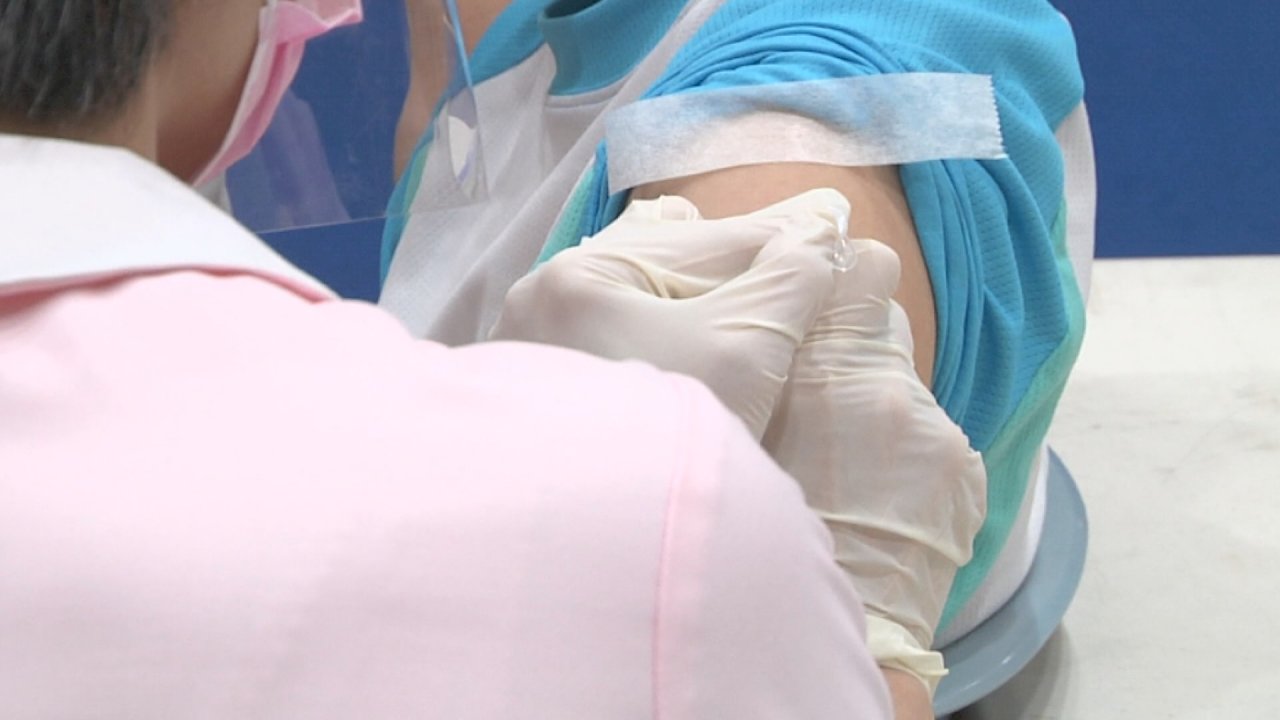
The COVID-19 vaccination rate in Taiwan has been climbing despite recent shortages. How has an increased availability of the Pfizer-BioNTech vaccine and research supporting mixing vaccine types begun to affect Taiwan?
The tenth batch of Pfizer-BioNTech COVID-19 vaccine doses has arrived in Taiwan, adding over 900,000 doses to Taiwan’s stores. The total number of Pfizer shots donated by Taiwanese enterprises and organizations has exceeded 7.7 million. This will certainly help alleviate the vaccine shortage in Taiwan, allowing younger age groups to get their jabs.
The Pfizer vaccine has been available since September 22, and so far over 4.4 million people have received their first shot. But fewer than 150 people have gotten both doses.
The minimum time between the two doses is four weeks. Is now a good time to start giving out the second shot?
Doctor Liu Peng-chi says that extending the interval between doses to nine weeks does not provide greater protection against COVID-19. However, a longer separation between shots means fewer deaths and hospitalizations.
Nine weeks between jabs shows good results, but what about those who experienced strong side effects after the first dose of the Pfizer vaccine? Which type of vaccine should they get next?
Doctor Liu says current research does not support taking AstraZeneca after an mRNA vaccine like Pfizer or Moderna. Researchers are also unsure if it is safe to mix in protein subunit vaccines, like the domestically-developed Medigen vaccine.
Over 70% of Taiwan’s population has received their first dose of some COVID-19 vaccine, and over 30% have gotten both doses. Taiwan is inching closer to goals that would allow it to reopen its borders. However, doctors say that there are also other important factors to consider, like the state of the healthcare system and public health policies.