Taiwanese exports to the countries targeted by President Tsai’s New Southbound Policy rose by 36% in the first ten months of the year. That’s according to the Secretary-general of Taiwan’s Foreign Trade Bureau, Tai Wan-jung.
The New Southbound Policy is a Tsai administration policy that seeks closer ties between Taiwan and its neighbors to the south—Australia, New Zealand, and especially, the countries of South and Southeast Asia.
Tai was speaking Friday during a conference on Taiwanese exports to these countries, and said that this 36% growth shows the policy’s success.
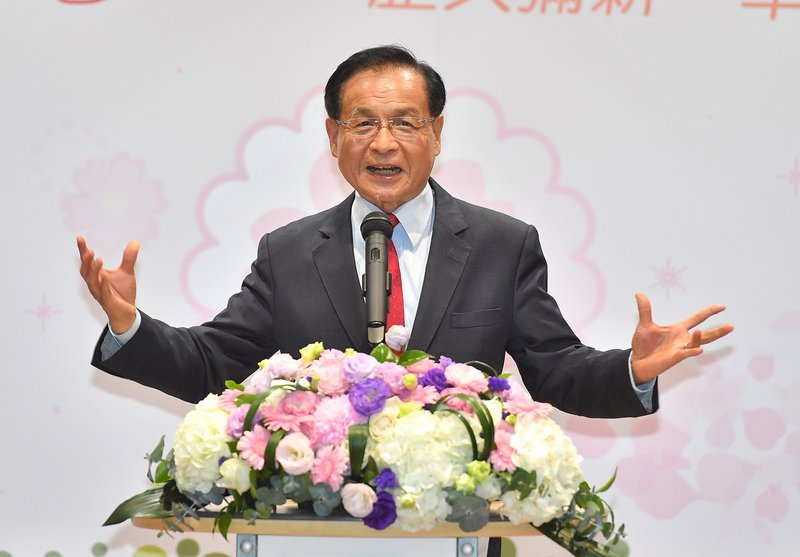
During the same conference, Chairman of the Commerce Development Research Institute Hsu Tain-Tsair highlighted the growing economic importance of the policy’s target countries. He said they are populous, rapidly developing, and home to a large, emerging middle class. Hsu said that these countries will become a hotbed for international trade competition in the next 40 years.
Hsu said that in the past few years, the Commerce Development Research Institute has combined internet technology and digital technology, and used technologies such as big data analysis and artificial intelligence to help 300 Taiwanese companies enter these markets. He says the increase in revenue these companies have recorded since then has been remarkable.
Hsu also said that unlike Taiwan’s manufacturing firms, Taiwan’s service sector and other businesses will need to adjust in order to weather the COVID-19 pandemic. He said that the Commerce Development Research Institute plans to help more companies make a digital transition, and use new technologies to enter the markets of New Southbound Policy target countries.
He said he wants to use successful experiences to create a positive, attractive image for Taiwanese brands in those countries. He said that once Taiwanese companies have established themselves as business powerhouses in these countries, Taiwan’s exports there may even double.