Foreign Minister Joseph Wu says it would be “illogical” to reinstate a ban on imported pork containing the additive ractopamine. Wu was speaking Wednesday as members of the legislature’s Foreign and National Defense Committee asked a range of officials about what could happen if a referendum on ractopamine-treated pork passes.
Ractopamine is an additive put into livestock feed to encourage leanness. Its use is common in some countries, particularly in the United States, but is banned in Taiwan.
At the start of the year, the government lifted a ban on imported pork containing the additive, easing trade friction with the US. But the move has not been without controversy, with the opposition KMT particularly critical of the move. In a referendum scheduled for December 18, Taiwanese voters will decide whether the ban on imported ractopamine-treated pork should be put back in place.
Some officials say that reinstating the ban may hurt Taiwan’s chances of admission into the CPTPP trade pact. They say that if Taiwan misses its first chance to join the trade pact, it may never get another. That’s because China has also applied to join the pact, and it could block any future Taiwanese bids if it gets into the pact first.
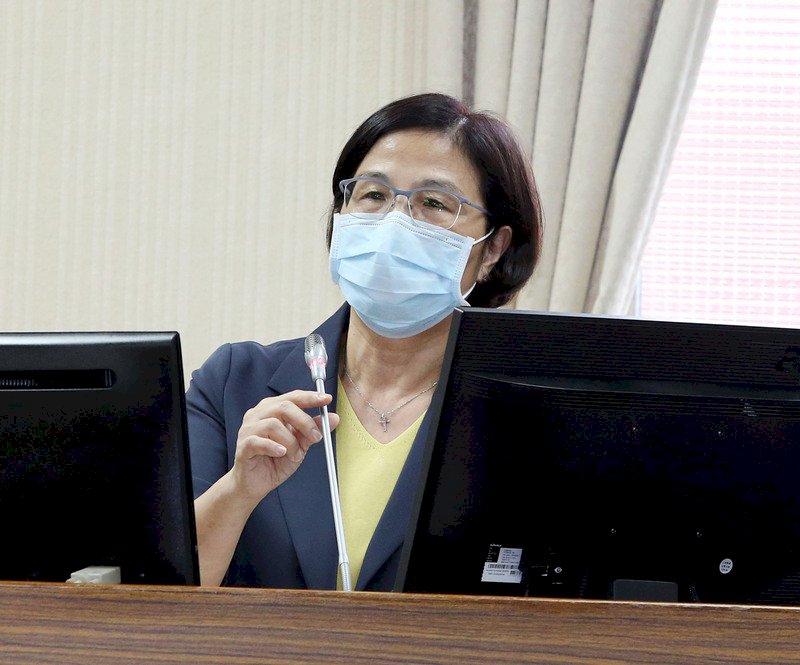
Director-General of the Bureau of Foreign Trade and Deputy Chief Negotiator, Yang Jen-ni, says that while conditions are favorable for Taiwan’s admission into the trade pact, any misstep may change that.
Foreign Minister Joseph Wu says reinstating the ban as a result of the referendum may have serious consequences. He says that there are no issues with US products in the US itself or globally, so it is illogical for Taiwan to call them poisonous and ban their imports.
Wu says that scientific evidence should determine the acceptability of ractopamine. He also says that Taiwan should accept international standards if it wants to join the international community. In addition, Wu says there is evidence that China is using covert manipulation tactics to steer Taiwanese public opinion.