A winter tea competition in the southern township of Lugu was rocked by a cheating scandal. DNA tests revealed that some growers don’t like playing by the rules.
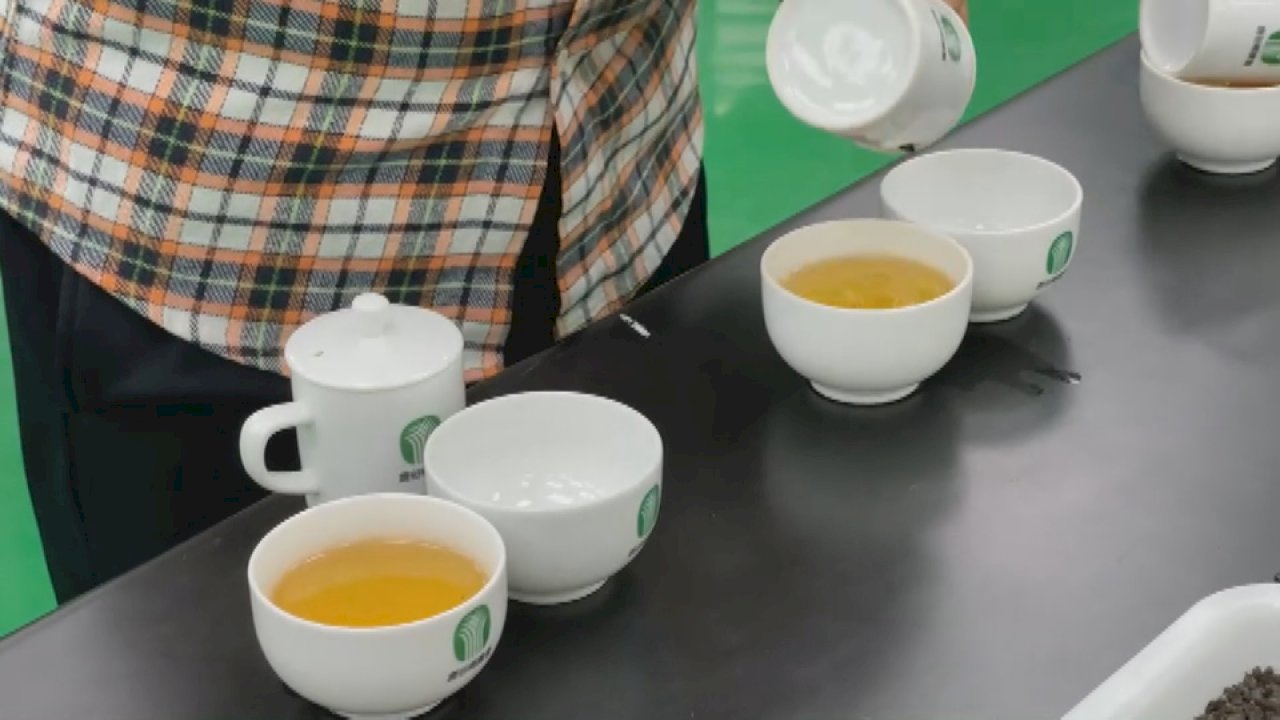
A panel of expert judges sip cup after cup of fragrant tea. Their goal is to pick the 10 outstanding domestically-produced tea leaves.
Lugu Township is located in Central Taiwan’s Nantou county. Officials there organized a winter tea competition. However, when organizers posted the competition results, another announcement turned heads. Five growers were disqualified for entering foreign tea.
Lin Yi-neng from the Lugu Farmers’ Association says this was the first time organizers employed DNA tests in the competition. The disqualified contestants will be treated as first-time offenders.
The Lugu Farmers’ Association chose to forgive this time, but it doesn’t exclude the possibility of pursuing legal action against these rule-breakers if they try and pull another fast one.
Out of over 5,000 submitted tea leaf types, DNA testing helped identify 41 from five growers that were not grown in Taiwan.
Lab technicians subjected tea samples to testing, which included looking at trace elements and extracting DNA material from the plants. The results show whether a sample came from Taiwan or elsewhere.
Ms Liu, a local grower, is happy, saying that these new methods will deter competitors who don’t play by the rules.
Growers say that this kind of testing can protect Taiwan’s tea industry, and boost customer confidence.