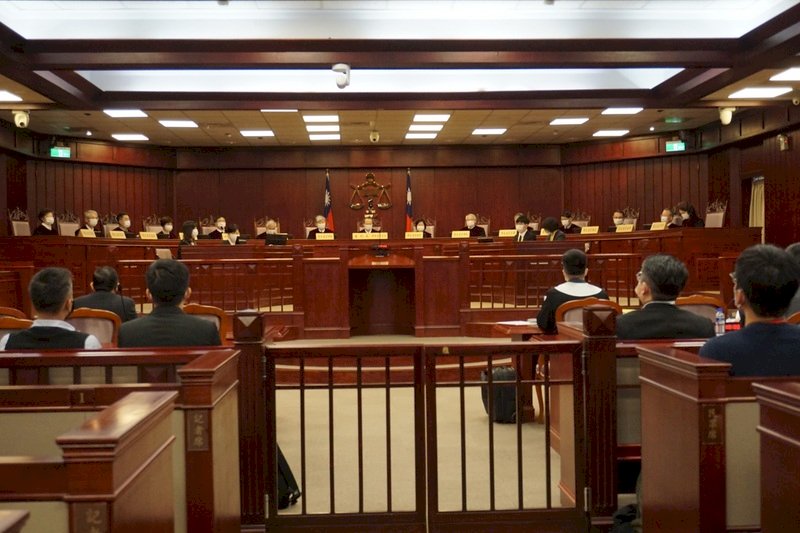
Taiwan’s constitutional court has begun examining a case seeking to reform Taiwan’s law on recognizing the status of indigenous people. Bringing the case is Wu-chen Chun-tao, a woman of Atayal ancestry, one of Taiwan’s indigenous groups.
Wu-chen applied for indigenous status from the Department of Household Registration on the basis that her paternal grandmother was indigenous. The department initially recognized her indigenous status.
However, the department subsequently reversed its decision regarding Wu-chen’s status on the grounds that she carries the surname of her paternal grandfather, who was not of indigenous descent.
Taiwan’s Status Act For Indigenous Peoples addresses the status of children born in marriages between indigenous and non-indigenous people. According to the law, children of intermarriages can only get indigenous status if they take the surname of their indigenous parent, or an indigenous name.
Since Wu-chen’s father took the surname of his non-indigenous father, he cannot acquire indigenous status, and neither can Wu-chen, his daughter.
Wu-chen says the household registration department’s decision violates the constitution’s principle of equality, among other protections.
The Council of Indigenous Peoples says the current law is sufficient and does not violate the constitution.