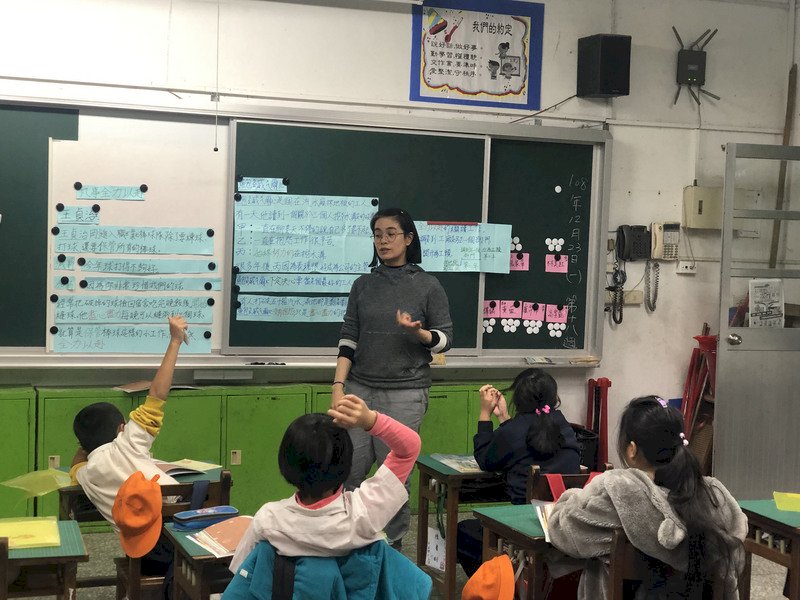
Taiwan is at risk for an increase in educational inequality as a result of the COVID-19 pandemic. This assessment came from the Child Welfare League Foundation, which says that education’s increased reliance on technology and internet access puts students in rural areas without electronic devices at a severe disadvantage.
The foundation conducted a survey amongst students from close to 400 schools in rural areas. According to survey results, almost 70 percent of students in rural areas are unable to study online because they lack these electronic devices.
This was a critical issue over the past summer when Taiwan’s schools were forced to switch to remote learning after a spike in COVID-19 cases. While most classes have resumed to in-person settings, missing several months of proper education has dragged many students in rural areas behind their peers with access to online education tools.
According to the foundation’s survey, only around half of families in rural areas have reliable internet access, and a majority of these students said their homes were not conducive to learning as they lacked proper space and lighting. In addition, almost half of the students said they lacked any sort of parental support and assistance while completing assignments at home.
In order to combat the disadvantages that students in rural areas face, the foundation provides counseling, educational, and financial services for students and their families. Still, the foundation says that the effects of the pandemic and lack of access to technology remain major impediments to rural students’ right to a proper education.