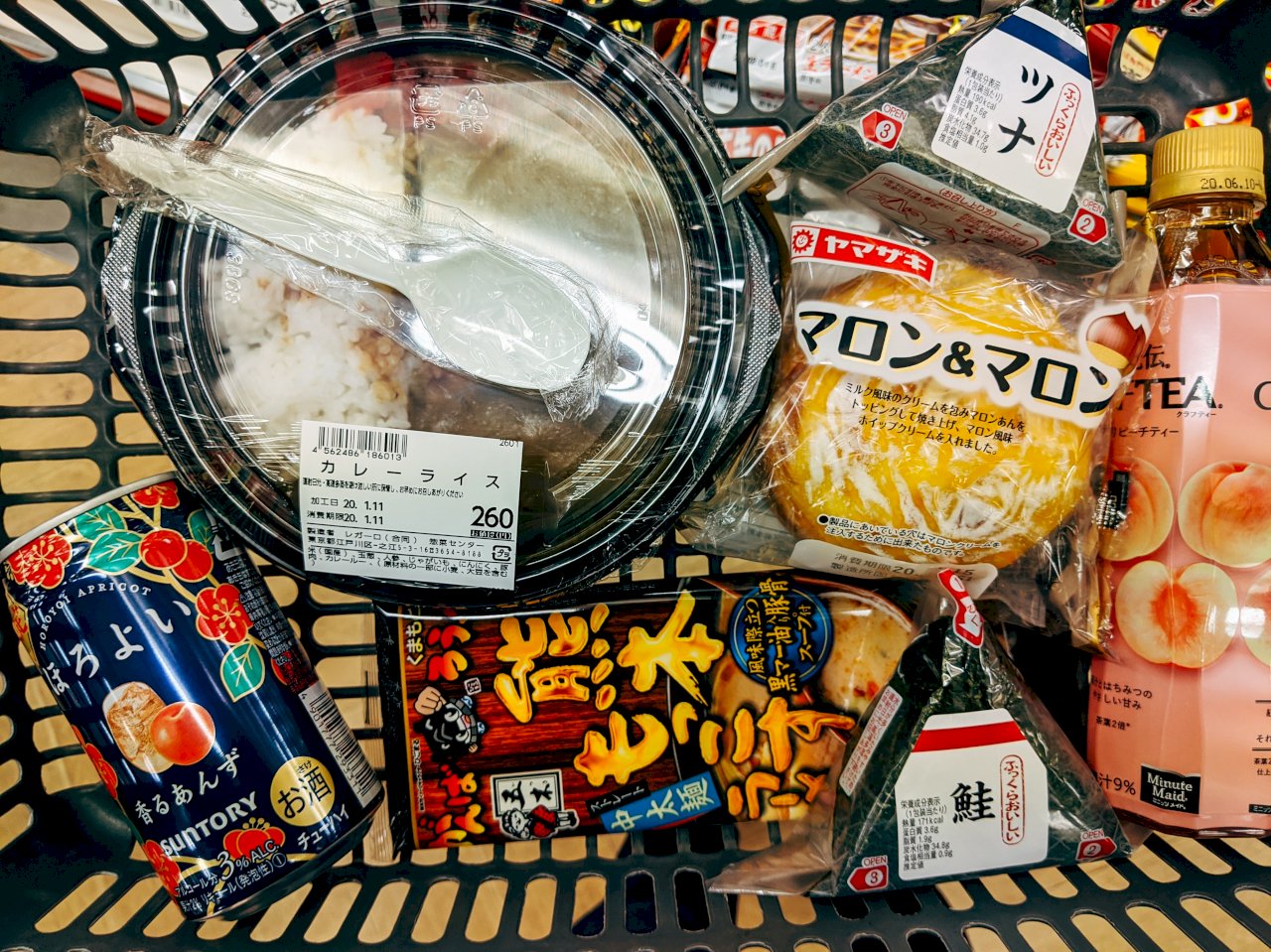
Taiwan and Japan have a friendly relationship when it comes to admiring each other's tourist attractions and delicious cuisine. However, the issue of importing food from Japanese regions affected by the Fukushima nuclear disaster has caused friction between the two countries over the past decade.
Taiwan’s decision to lift the ban on Fukushima imports is the result of years of research conducted by experts around the world. Inspections led by the National Taiwan University College of Medicine have concluded that any traces of nuclear radiation are negligible and there's no cause for alarm.
According to international standards, a person's annual exposure to radiation should not exceed one millisievert. NTU research concluded that people would be exposed to less than three one-thousandths of that - from these Japanese food imports. NTU professor Chiang Chih-kang says that the chances of contracting cancer from this amount of radiation exposure is one in ten million.
On the other hand, Taipei Chang Gung Hospital’s Clinical Poison Center Director Yen Tsung-hai says that he's still concerned about radioactive residue from these food imports. He says that the half life of various radioactive substances can be up to 30 years, and only 11 years have passed since the Fukushima nuclear disaster.
Some say that any products that contain food from these radiation affected areas should be clearly labeled for consumers. Only time will tell whether Taiwan shoppers will be willing to purchase these items or leave them untouched on the shelves.