In order to reach the goal of net-zero carbon emissions by 2050, Taiwan is going to have to implement lots of different measures to reduce the amount of carbon dioxide released. These include steps such as encouraging the use of electric vehicles, controlling emissions from factories and relying on renewable sources of energy instead of fossil fuels.
On the flipside, there is another way of reaching net zero that is often overlooked. That’s by introducing measures to remove carbon dioxide from the atmosphere, so that even if carbon dioxide is produced, some of it can be taken back in and balanced out. These kinds of measures can be very effective and are an important tool in fighting climate change through natural methods. Therefore, Taiwan is trying to increase its carbon sinks to take in more carbon dioxide. A carbon sink is a name given to anything that takes in more carbon dioxide from the atmosphere than it releases, and they’re a highly efficient way of cleaning up the environment.
The ocean is considered a large carbon sink because of the phytoplankton that live within and absorb carbon. Soil can also be considered a carbon sink. The carbon sinks that are the easiest to create and control are forests, as trees absorb carbon dioxide from the air in the natural carbon cycle.
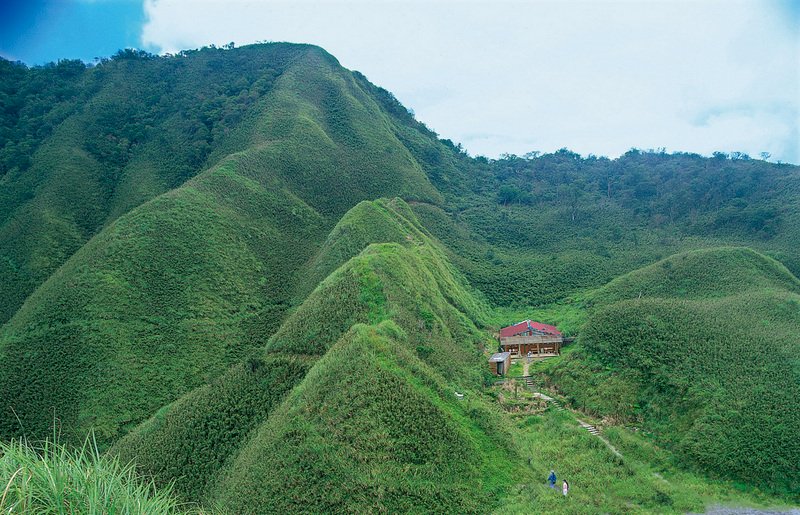
According to a forest resources survey launched in 2007 by the Council of Agriculture, Taiwan’s forests cover around 2 million hectares of land. That equates to about 60% of all the land in Taiwan, which is twice the world’s average for forest cover. According to Taiwan’s net-zero plans released in 2019, 21.4 million tonnes of carbon were taken in by forests in Taiwan. By 2050, Taiwan hopes to increase this to 22.5 million tonnes by adding more forest carbon sinks. Estimates show that 1 hectare of forest can take in about 10 tonnes of carbon per year, so Taiwan will need around 100,000 hectares of new forest cover by 2050 to reach this goal.
Of course, deforestation is a global issue that is destroying the earth’s natural carbon sinks, as seen in the Amazon rainforest. In Taiwan, deforestation isn’t a huge issue, because natural logging of trees in Taiwan’s forest has been illegal since 1991. Poachers still exist and threaten to reduce the forest cover in Taiwan, but in general the existing carbon sinks in Taiwan are safe.
The Forestry Bureau has been putting measures in place to increase reforestation, by rapidly planting endangered trees such as cypresses and cedars. Between 2008 to 2015, nearly 7,000 hectares of deteriorated national forestland were restored, and over 80,000 hectares were cultivated.
Reducing deforestation, increasing reforestation - they’re both methods of expanding the reach of carbon sinks in Taiwan. But what about afforestation? This is when you create forest areas in places where there previously weren’t any trees. In this year alone, Taipei plans to add around 20,000 square meters of land to its parks and green spaces. The city also plans to plant 400 street trees in an effort to make the city more green and environmentally friendly. The Water Resources Agency has also selected areas in Dongpu and Shihmen as places to increase reforestation and afforestation to create more carbon sinks.
Organizations also play a role in afforestation, such as the Tse-Xin Organic Agriculture Foundation that has seen over 90,000 people come together to plant more than 500,000 trees. Due to a translation error during a speech, the director of the organization accidentally said they aim to plant one billion trees instead of 100 million trees - a goal which she now plans to honor.
Creating more carbon sinks and protecting existing sinks won’t get Taiwan to net-zero carbon emissions on its own. For this, many other methods are necessary to reduce the amount of carbon emitted in the first place. However, utilizing the natural world to bring down carbon levels still plays an important role in the journey to net-zero. Taiwan is famous for its beautiful green landscapes and forests; eventually, they just might be the key to fighting climate change here in Taiwan.