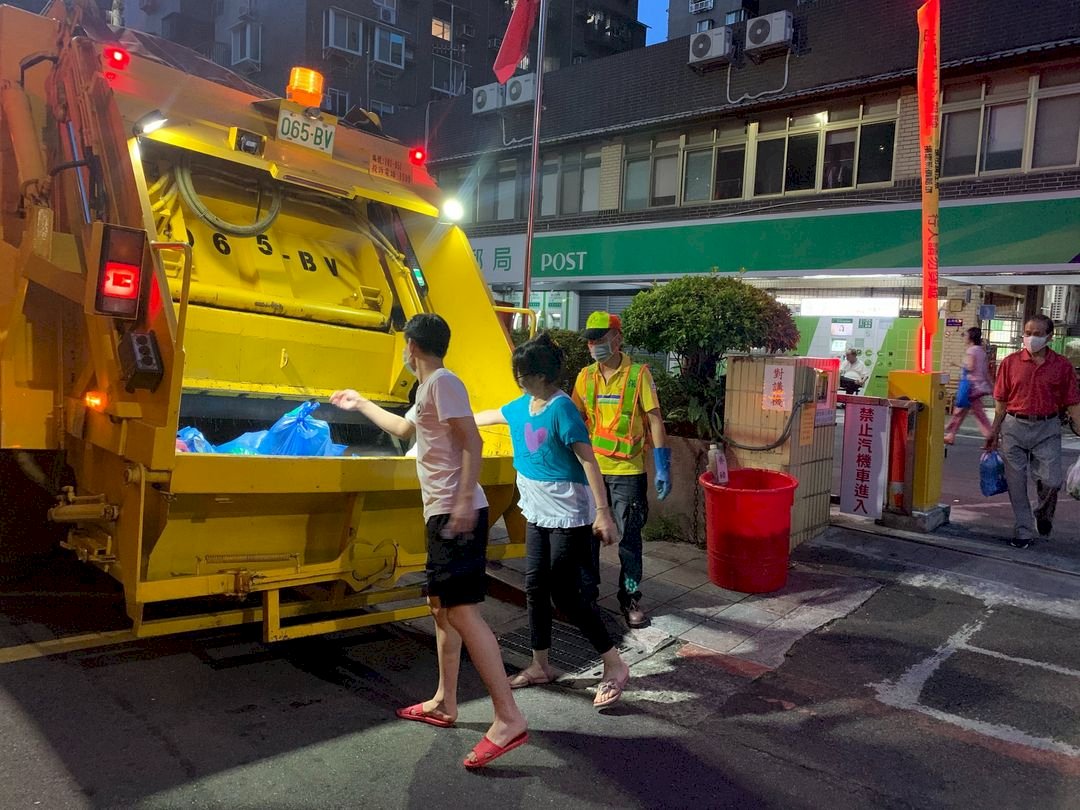
Reduce, reuse, recycle. It’s a mantra that we’ve probably all heard before, and one that simplifies what we can do on an individual level to reduce our impact on the climate. Recycling is something that Taiwan is already very good at, with 55% of household waste and 77% of industrial waste being recycled in 2019. As for reusing, people have been gradually making the shift to reusable chopsticks and bags, and the government plans to phase out disposable cups over the next few years. That just leaves ‘reduce’. This comes first in the mantra, but yet is often overlooked. However, recently the ‘zero waste’ movement has been picking up pace.
We all know that we need to reduce the amount of waste we produce, but imagine a lifestyle where you never never produce any waste whatsoever. This is the goal of the zero waste movement and the people who follow it. These people work to achieve a state in which everything they use and consume produces no waste that threatens the environment or human health. This means they ditch plastic packaging, get rid of disposables made out of paper, reduce their food waste and compost any food waste that is produced so that it can be used to support the environment.
Taiwanese-German activist Shia Su is someone who’s particularly involved with the zero waste cause. She’s been living a zero waste lifestyle with her husband for many years and has reached a point where she generates as much waste in one year as the average Taipei resident generates in just a number of days. In 2016, she released a German book featuring life hacks for people to reduce their trash and the book has since been translated into English and Chinese. Some of her tips include following a plant-based diet, not living in an excessively large apartment or house, and buying secondhand clothes and other goods.
You might be thinking, what’s so bad about waste anyway though? Figures show that Taiwan sends less than 1% of its waste to landfill sites, and so one might think that Taiwan’s recycling and waste disposal systems are effective enough to handle any amount of waste. However this is ignoring the fact that 42% of waste in Taiwan gets burned in incinerators, according to 2018 figures. This method of waste disposal contributes to air pollution, as it releases harmful chemicals into the environment. These harmful chemicals not only damage the world, but also can cause health problems, like lung and heart diseases.
Despite the fact that Taiwan’s waste disposal is still better than many countries’, the best way to reduce your waste impact is to reduce the waste itself. Zero waste living is finding its feet in Taiwan. The Facebook group ‘Zero Waste Taiwan’ currently has over 15 thousand members. The group features maps of different zero waste stores in Taiwan, discussions about how best to reduce waste and different zero waste community events. One such store is called Unpackaged U in New Taipei City. The store sells all the usual things that you’d find in a supermarket such as fresh fruit and vegetables, noodles and rice, and even products like soaps and shampoos. The difference from a normal store, however, is that there’s no packaging. Instead, shoppers have to bring their own containers and take what they want from different dispensers and pay by weight. This is a brilliant way to eliminate waste, especially when so many supermarkets and shops use unnecessary amounts of plastic in all their packaging.
Despite a growing interest in zero waste and a gradual increase in stores such as Unpackaged U, achieving zero waste is still a huge commitment. Even Shia Su herself acknowledges this and encourages her readers to take it at their own pace. She says even if you can’t achieve a zero waste lifestyle overnight, you can still make smaller, positive changes. Whether you decide to pursue a completely zero waste lifestyle or not, there’s certainly a lot that can be learned from the people who’ve managed to get there themselves. Ultimately, there’s a lot that we can all do to reduce our impact beyond simply reusing and recycling.