COVID cases seem to have peaked in Taiwan. But this week’s discovery of new Omicron subvariants in incoming travelers has sparked talk about a new wave later this year.
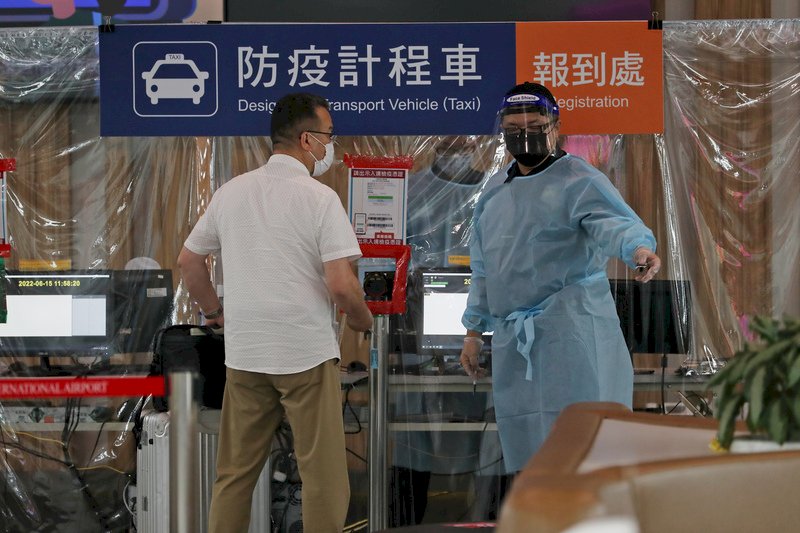
COVID cases remain high in Taiwan, but daily numbers are trending down. This week, epidemic authorities said they found the Omicron B.A.4 and B.A.5 subvariants in people coming from abroad. What could that mean for Taiwan’s current outbreak?
Dr. Lee Chien-Chang says he expects the current outbreak to be mostly over by the end of July. But, as new variants enter Taiwan, daily cases may begin rising again in September, starting a new wave.
Many believe that previous infection protects them from getting sick again. Experts are saying that isn’t true. They say it might be time to discard the idea of “herd immunity.”
Dr. Lee says new variants mean our immune systems face a different virus. That means our antibodies can’t protect us as effectively.
With immunity typically waning three months after infection, experts say Taiwan can expect a new COVID wave to start around November. They say authorities should prepare enough antiviral medications. The subvariant cases found this week surely won’t be the last.
Dr. Chiang Shou-shan says the five cases of B.A.4 and B.A.5 found this week were all unrelated to each other. With these variants spreading outside of Taiwan, every flight that lands in the country is almost guaranteed to have people infected with a new subvariant. He says with border restrictions loosening, it’s only a matter of time before the variants start spreading in the community.
The B.A.4 and B.A.5 variants are more contagious than earlier ones. They are also more likely to cause moderate or severe symptoms. That means though cases seem to have peaked, it may not yet be time to let our guards down.