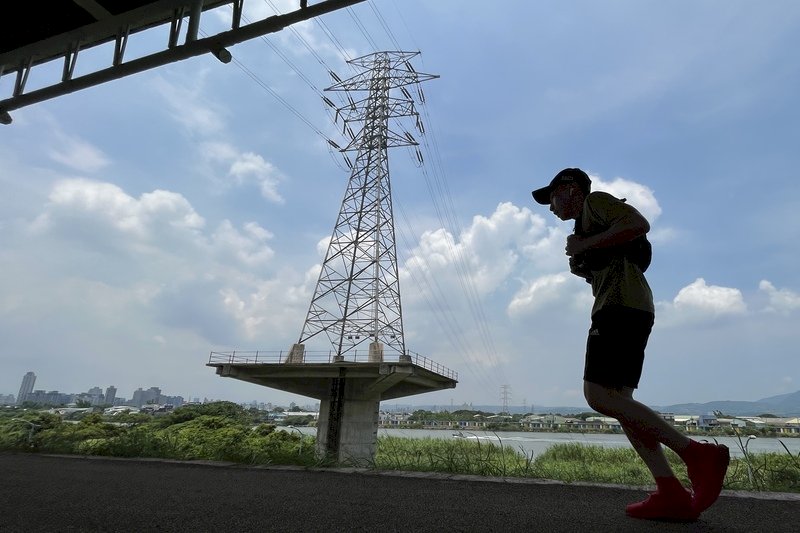
On Newsmakers this week we took a look at an unorthodox subject. Instead of discussing a person dominating the media, we talked about electricity in Taiwan.
Talk over energy in Taiwan has been all the rage this week. That’s because the Electricity Price Review Committee announced on Monday that power rates will increase by an average of 8.4% starting next month. Most households and small businesses will be unaffected by the adjustment, as it’s mostly aimed at large enterprises. But some listeners right now might be thinking, “Wait, what does the government have to do with energy prices? Isn’t that set by the market?”
Unlike in most of the industrialized world, Taiwan’s government still controls the price of energy, including electricity and gas. It can do this because the national electric utility, Taipower, and the largest gas company are state-owned. In 1960, Taiwan’s legislature passed regulations establishing a mechanism for determining the price of electricity. Beginning in 2015, Taipower began adjusting the electricity price every half year. In 2017 the law surrounding electricity tariffs was changed again, establishing the price committee. The committee is made up of 17 total members. They include 9 from different government ministries, 3 from industry and labor groups, and 5 from academia.
With summer’s grueling heat finally having arrived, Taiwan has recorded record electricity demand. On top of that, Taiwan’s government has been forced to pay for the rise in international energy prices. Because of these factors, electricity prices had to rise. This caused many to worry that their bills would go way up. But unlike in other countries, policymakers crafted energy prices in a way that protected the majority of people. Though it might not be as iconic as bubble tea or beef noodles, this part of Taiwanese society might be worth sharing with the world.