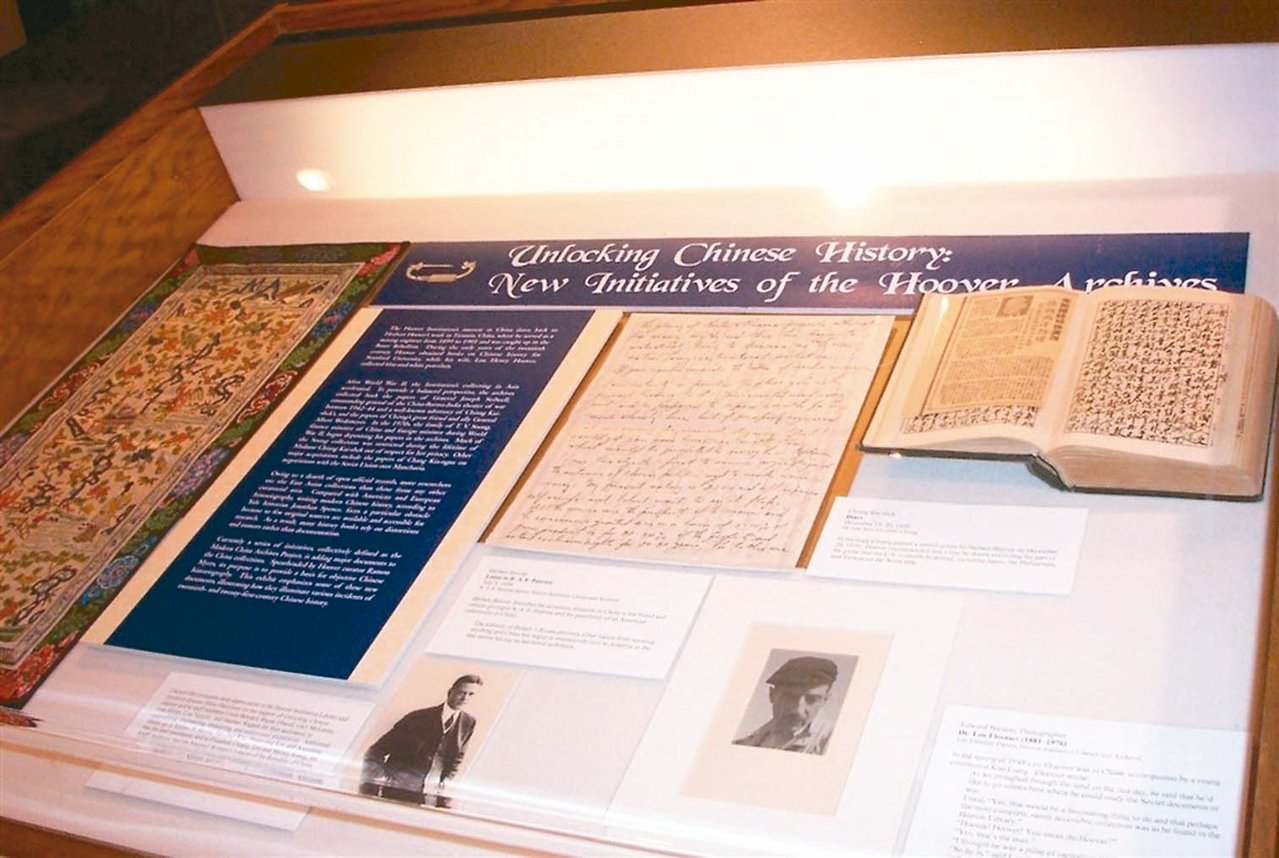
On Tuesday a judge rejected the family of Chiang Kai-shek’s appeal over the ownership of the former leader and his son’s diaries. It affirmed a previous ruling that held the documents are public property.
The National Museum of History and the Chiang family have feuded for nearly two decades over the personal diaries of the former Kuomintang leaders.
This time, Chiang You-mei, the daughter of former president Chiang Ching-kuo’s eldest son, lost the appeal she filed to take possession of the collection. She has the option to challenge the ruling again.
According to Taiwanese law, all diaries and records produced by presidents during their administration are state property.
The legal case began in 2005, when the wife of Chiang Kai-shek’s grandson loaned the diaries to the Hoover Institution at Stanford University for fifty years. Chiang’s family members have since been at odds over the possession of the collection, which includes 76 boxes of manuscripts.
In 2020, the Taipei District Court concluded that the Taiwanese government is the owner of the collection and put its management under the National Museum of History. The court ruled the documents belong to the state because they were written while Chiang Kai-shek and his son Chiang Ching-kuo were president.