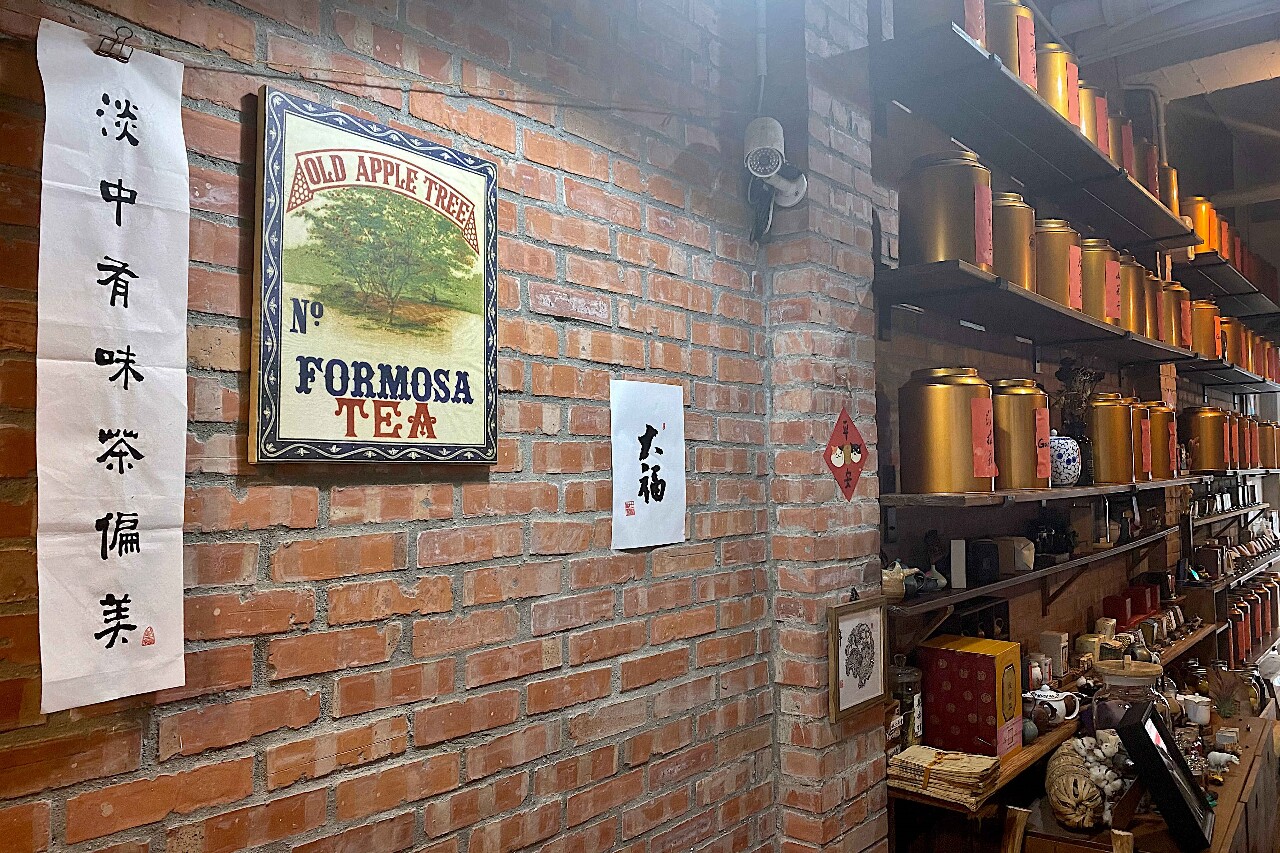
Tea consumption is part of everyday life in Taiwan. Drinking tea contributes to health and well-being by providing strong antioxidants, such as catechins and tannins, that can enhance or accelerate healing. Apart from these powerful compounds, tea can also provide a web of connections between all sorts of social, cultural, economic, and political networks.
Taiwan is a prime tea-growing region thanks to climate, soil, and geography. Tea grown at higher levels of elevation, where temperatures are relatively cool, has increased levels of the natural chemicals that give tea its flavor and potential health benefits, than lowland tea, which contains much smaller amounts of these important plant substances. This means that climate change is considered a major threat to growing high-quality tea in Taiwan.
Tea production is one of Taiwan’s most valuable export markets. In total, Taiwan has around 50,000 acres under tea cultivation, and Taiwanese Oolong, which makes up about 90 percent of production, is broadly regarded as some of the best in the world. While most of Taiwan’s tea is consumed domestically, it plays a predominant role in trans-regional trade, and at the same time brings tourists to Taiwan.
This suggests that tea can not only help link up regional economies, but also has the potential to build other forms of partnerships across domestic and international markets. These factors, in turn, give further reason to protect the environment and maintain friendly relations between countries.