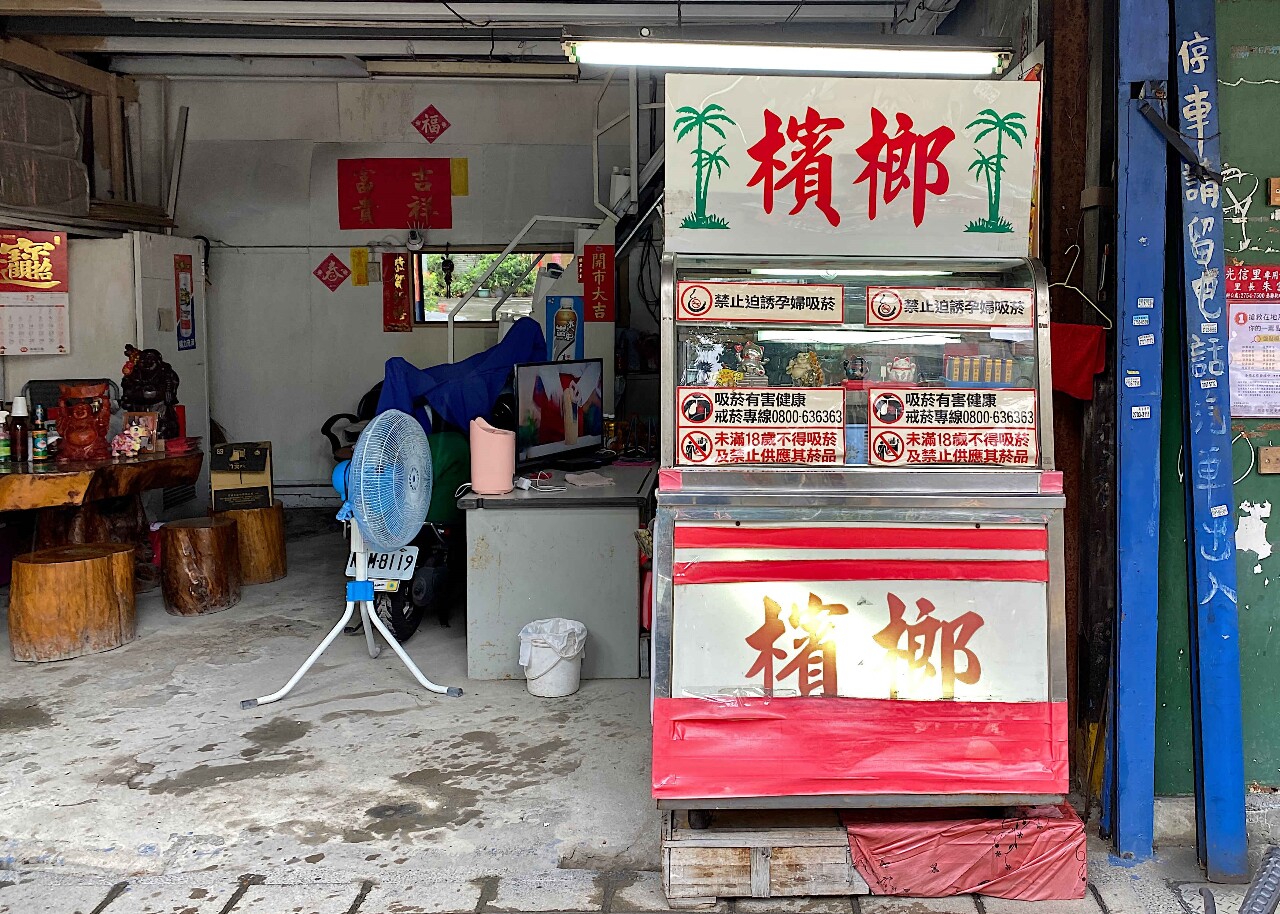
Betel is a popular palm fruit in Taiwan, where it is chewed as a stimulant. The fresh tropical seed is green and looks somewhat date like. It is often served with a dab of white lime paste on a vine leaf and may be flavored with cloves, tobacco, and other additives.
Betel is borne on a feathered palm tree, the areca palm, that is widely grown in Taiwan, where plantations cover a total area of around 40,000 hectares. Although the government has offered incentives to curb cultivation, the industry still enjoys remarkable success, in part because of the low costs of growing and high returns to investment.
But sales of betel should not only be thought about in terms of money or economics. For centuries, betel was also a major part of history and culture across Southeast Asia, where it was associated with good health and social status.
More recently, the large role betel once played in Taiwanese life has been partially transformed through education, economic growth, and national awareness programs, such as Betel Nut Prevention Day designated on December 3. These initiatives seek to influence behavior and mitigate the health risks of betel nut consumption, including oral cancer and coronary artery disease. Despite some changes, however, there remains an abundance of betel nut kiosks throughout Taiwan.