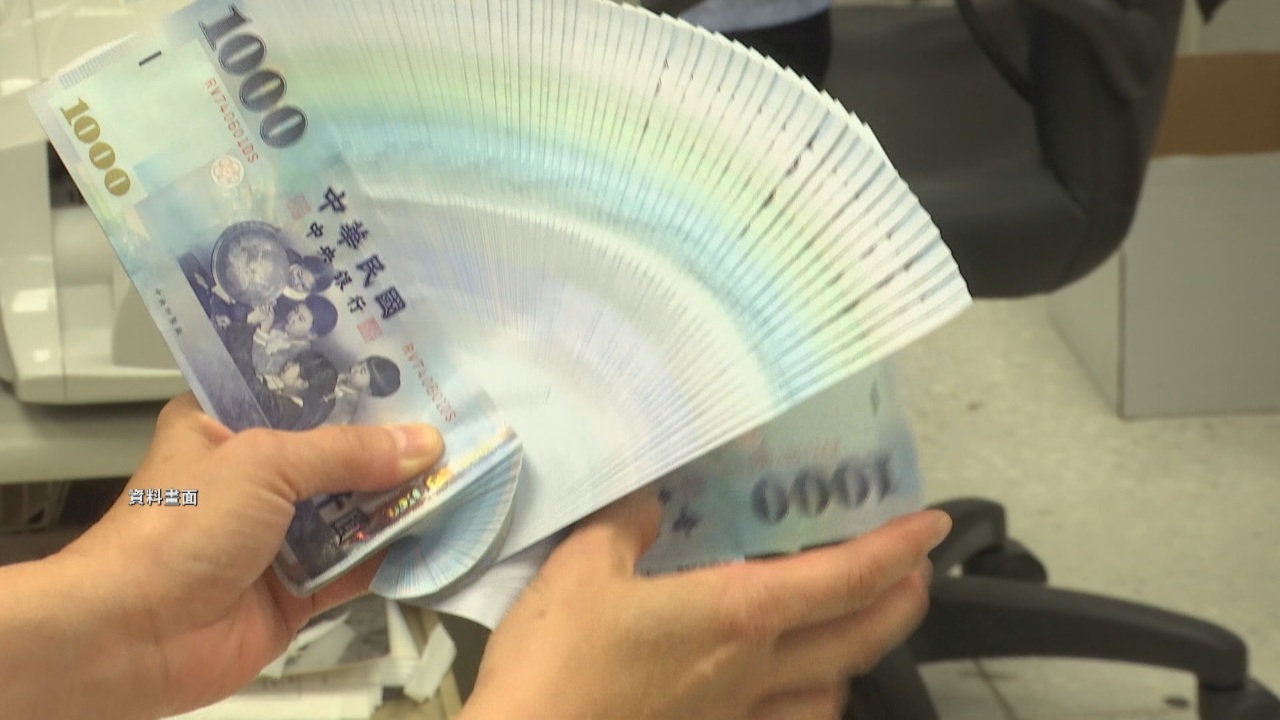
Taiwan’s plan to give each eligible citizen and resident NT$6,000 (US$200) in tax surplus may be facing obstacles as parties disagree on both the amount and the timing of the scheme. Tomasz Koper reports.
KMT legislator Lai Shyh-bao (賴士葆) argues vigorously for NT$10,000 (US$330) in tax surplus for each citizen.
This goes against the current draft of the plan, which intends to give out only NT$6,000 (US$200).
Another KMT lawmaker Tseng Ming-chung (曾銘宗) outlines the three principles of his party’s proposal: no additional debt, increasing the amount to NT$10,000, and issuing the stimulus as soon as possible.
However, the ruling DPP was quick to call the plan self-contradictory.
DPP lawmaker Kuan Bi-ling (管碧玲) says increasing the amount by NT$4,000 would exceed the tax surplus and mean going into debt. She says the KMT is making things difficult not only for the ruling party, but also for the people.
Authorities have planned three ways of sharing the surplus — direct bank transfers, ATM withdrawals, and in-person post office pickups. The hope is to put the scheme in motion at the end of February or beginning of March.
But with parties disagreeing on details, this timeframe is also in question.
DPP caucus whip Ker Chien-ming (柯建銘) calls the KMT’s plan fantastical. He says four very different drafts are currently being discussed with no consensus in sight. That’s why he expects people will only get the money in April.
Digital Minister Audrey Tang (唐鳳) says the distribution system will be ready at the end of February, but when the money will actually be issued will depend on budget decisions.
With Taiwan’s major parties disagreeing over details, the people may have to wait a bit longer for their cash.