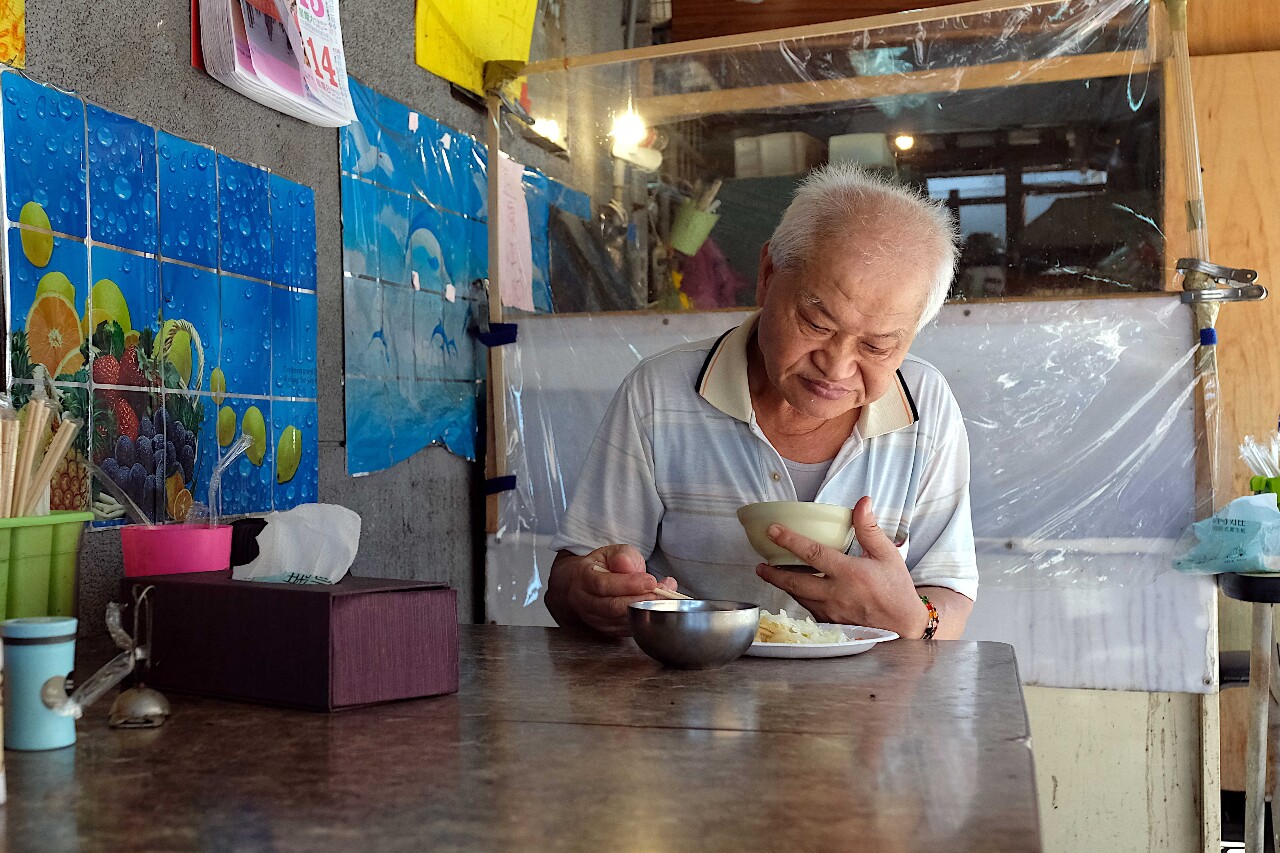
Demographic aging is a pressing challenge in many Asian nations and one of the most serious social concerns in Taiwan. With improvements in life expectancy achieved in part through significant gains in health and dramatic economic growth, and the concomitant decline in fertility rates, the proportion of the total population aged 65 and over has risen from an estimated seven percent to almost 20 percent in the span of just three decades.
In other words, Taiwan is fast becoming a “super-aged” society, a threshold that it is expected to cross by 2026. By 2065, the National Development Council has projected that more than 40 percent of the Taiwanese population will be elderly, which is a proportion that is significantly higher than in most other nations in the world. This means that for every one senior citizen there will be approximately 1.2 persons to support the older adult’s care.
As Taiwan’s demographic shifts, many of the consequences and implications of aging will have to be absorbed by those still in their younger years. Besides governments financing medical and social services and families increasing economic and material support, research indicates that fostering engagement in meaningful pursuits and encouraging participation in daily life can also help promote well-being and enhance satisfaction in old age.
Such endeavors may include volunteer work, community service, domestic chores, and other arrangements that involve senior citizens in important affairs. By offering not only security and care, but also a feeling of connection, Taiwan may be able to find a way to smooth the transition between past and future and have most people stay well in a “super-aged” society.