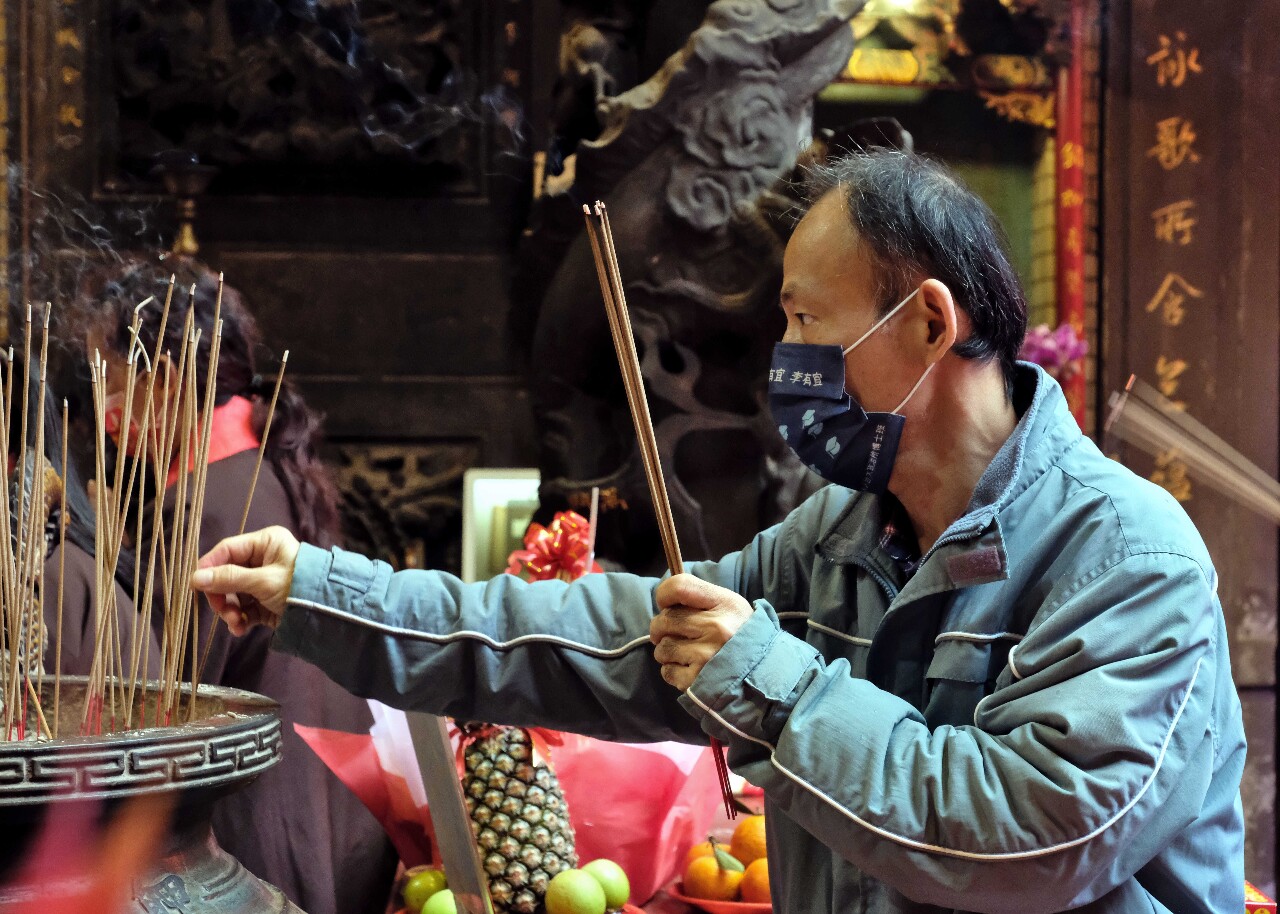
In Taiwan, incense is a religious good with a long and rich history. Like the flicker of candles, the curling smoke of burning incense is commonly used as a means to invoke the presence of the divine on earth, and for the purposes of communication across the natural and supernatural world.
Apart from veneration, offerings of incense also frequently serve to ward off evil, disguise odors, purify and restore health, commemorate the dead, and connect communities, among other functions. Thus, the lighting of incense is more or less synonymous with worship.
Although incense has an important place in ritual, however, the smoke it releases when burned has also been found to give off toxic emissions. In particular, inexpensive conventional incense sticks, which are prevalent, are produced with chemical fragrances and synthetic materials that do not offer the benefits of traditional natural ingredients.
This incense emits carbon monoxide, carcinogens, and other gasses and particles that can have severe negative impacts on human health. Therefore, there is a push for temples and other public places in many countries from Taiwan to Thailand to the US to lower levels of pollution and minimize the risk of exposure to burning incense.