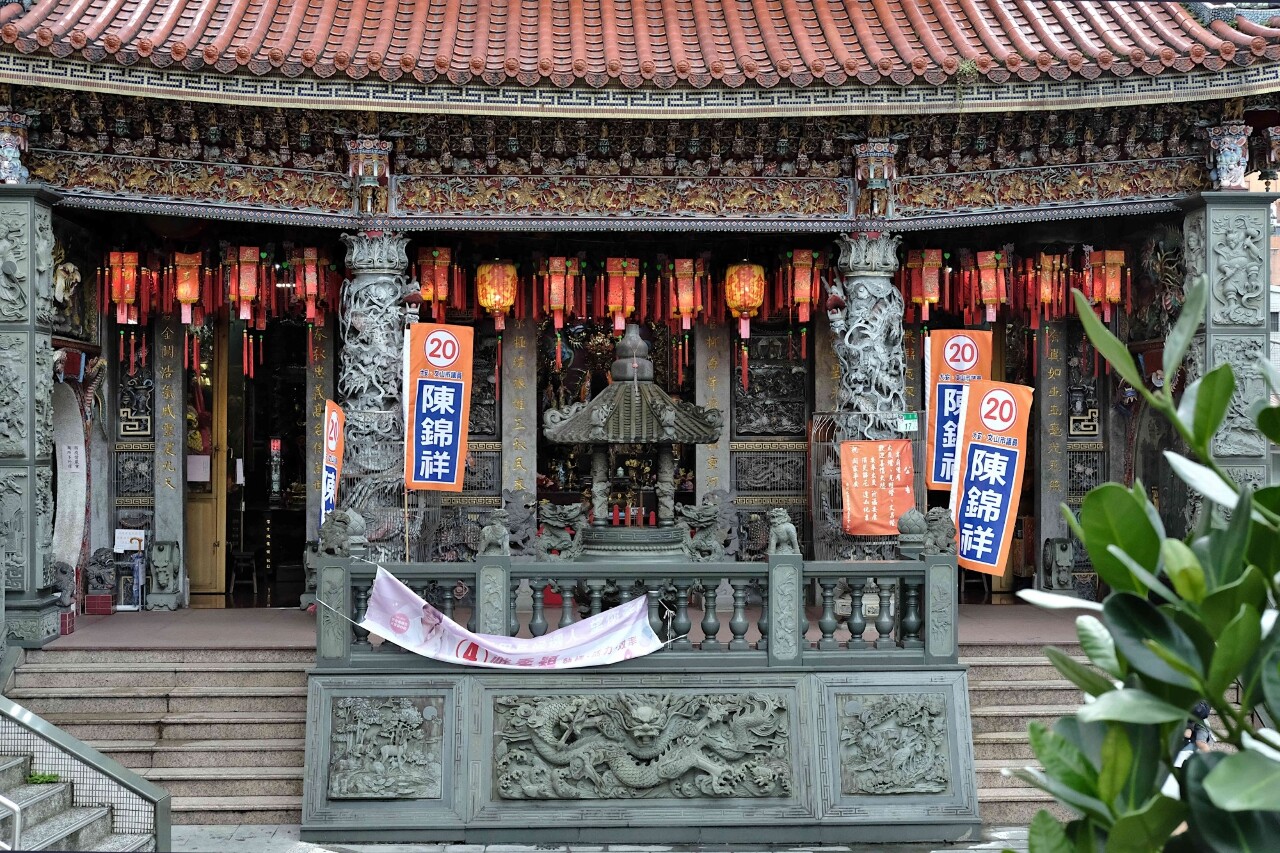
Taiwan’s presidential and legislative elections are scheduled for Saturday, January 13. Before this final showdown happens, political rivals will strive to establish their authority on important domestic and international issues and prove their ability to lead the nation in its rise to the world stage.
In many cases, candidates may also choose to visit certain temples to obtain supernatural blessings for their win and bring credibility to their campaigns. Their public worship raises the question of why? What is the importance of folk religion to state power in a progressive, modern society like Taiwan?
Historically, temples functioned as a sort of government with deities of various ranks indeed holding office under the Jade Emperor in the celestial bureaucracy. Built along the same administrative lines as the imperial state, temples also functioned as a means for real-world authorities to ensure security, provide stability, and generate growth.
Today, temples no longer play the same national role, but still express solidarity with and concern for the community. Hence, they continue to stand out as important venues for parties such as the DPP and KMT to expand their support and consolidate their power.