The Washington D.C.-based think tank Hudson Institute and United Microelectronics Corporation (UMC) founder Robert Tsao held a conference on the harmful impact of China’s anti-secession law on Wednesday evening, Taipei time. In attendance were former U.S. Secretary of State Mike Pompeo, several U.S. senators, and former Australian Prime Minister Scott Morrison.
The discussions centered on the implications of China’s anti-secession law, its legislative basis and violations, as well as strategies for maintaining peace and security in the Indo-Pacific region.
During the conference, Pompeo described the anti-secession law as a tool of coercion against Taiwan and a means to disrupt regional stability. He urged the U.S. to confront China's threats with clear strategies involving military, diplomatic, and industrial measures.
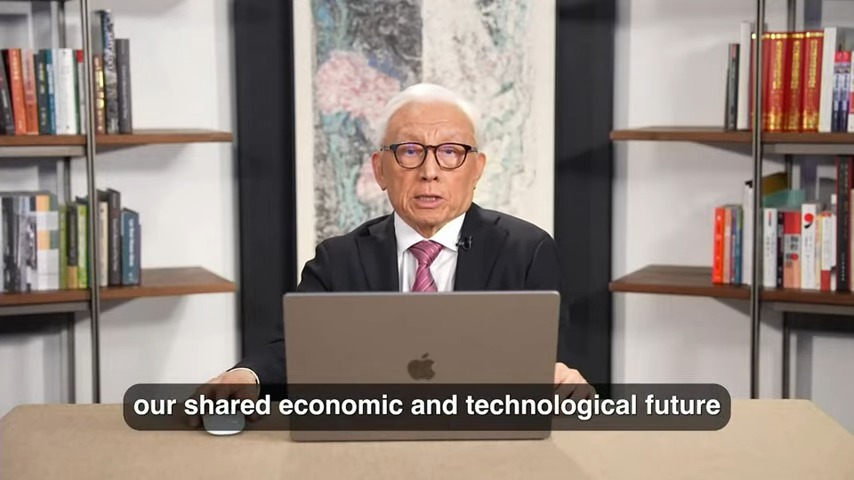
Robert Tsao, in a pre-recorded video message, pointed out that the anti-secession law claims Taiwan as an inseparable part of China. Tsao said that China aims to use Taiwan as a strategic gateway to the Pacific and that resolving the Taiwan issue on China's terms would mark the beginning of global challenges.
Hudson Institute's China Center Director Miles Yu highlighted the clarity of the U.S. stance on military intervention if China invades Taiwan, noting past instances where U.S. presidents demonstrated military support for Taiwan. Yu stated that there is no “military ambiguity” regarding U.S. intervention in defending Taiwan, only “diplomatic ambiguity” concerning Taiwan's formal status. So far, the U.S. has not recognized Taiwan as an official diplomatic ally.