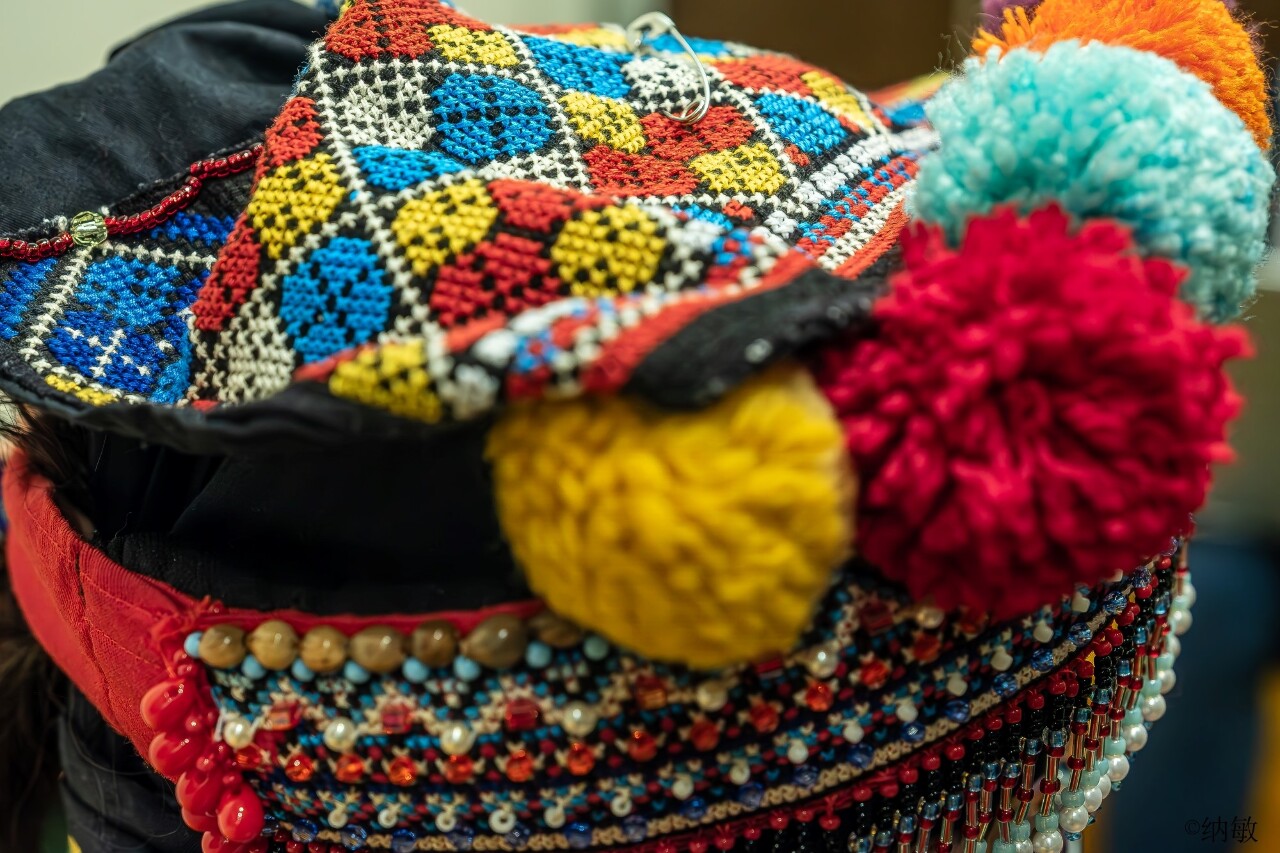
The Tsou peoples are an Austronesian community, who are recognized as one of Taiwan’s 16 official Indigenous groups. They have a small population of approximately 7,000 people, and are divided roughly between Chiayi and Nantou counties in south central Taiwan.
In Chiayi county, the Tsou reside primarily in the rolling hills of the Alishan Mountain range, which they consider their ancestral home. In Nantou county, the Tsou are concentrated in Hsinyi, which is Taiwan’s second largest rural township.
Tsou peoples have their own language, and a distinct identity that is deeply intertwined with the natural landscape. This connectivity is revealed in various ways.
Oral accounts of the distant past, for example, provide that Tsou ancestry originated with the shaking of a tree by a deity. In practice, trees are still sacred in Tsou communities, which can be witnessed firsthand in annual rituals like Mayasvi.
In addition, a species of orchid is also considered sacred in Tsou culture. Similarly, the upper reaches of the Zengwen River, which is an important source of livelihood, is regarded as the mother river to the Tsou.
These interactions between culture and nature impart meaning to Tsou peoples and places. Perhaps most importantly, they also provide a powerful means for the reassertion of Tsou identity.