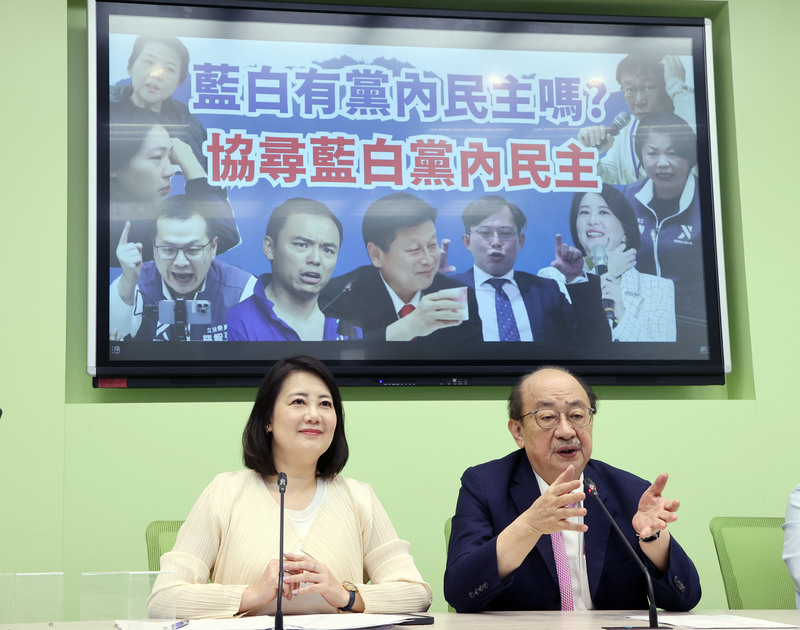
Comments made by a DPP politician have triggered debates regarding whether personal data about the Bluebird Movement’s protestors has been tracked through their mobile devices, and whether such data is truly private at all.
Citizens protesting the passage of a bill that expands congressional oversight continued to express their dissatisfaction with the Legislature. DPP Policy Committee Executive Director Wang Yi-chuan (王義川) recently claimed on a political talk show that mobile phone signals can be used to monitor personal information about the Bluebird Movement. He later clarified that while no such monitoring had taken place, the Taiwan Taipei District Prosecutors Office has been investigating the issue.
Responding to accusations from KMT Legislator Lo Chih-chiang (羅智強) and other officials, Wang said that you need only go to the protests and look around to get an idea of the demographics, and that political activists were not being otherwise monitored. However, the KMT continued demanding the source for his initial claim, insisting that it merits further investigation.
A blogger posted a comment on her Facebook page stating Chunghwa Telecom has always had the ability to monitor the personal information of its users through mobile data. The blogger went on to say that if the KMT and TPP were truly concerned about privacy violations, they should realize that the bill they just passed enables them to obtain personal information about Bluebird demonstrators.
Cha Shi-cho (查士朝), Information Management Department Chair at the National Taiwan University of Science and Technology, said personal data is often leaked on the dark web. Following these leaks, it is possible to make connections between the numeric identifier for a mobile device and its user’s data. Therefore, whether this constitutes a personal data breach remains debatable.
Politicians from both sides continue squawking about the legality of monitoring Bluebird Movement protestors.
Hanna Bilinski for RTI News