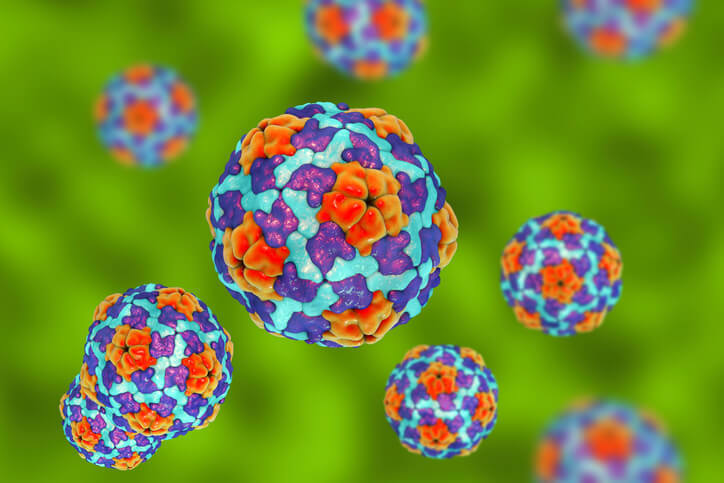
Reducing hyperglycemia, or high blood sugar, may reduce the risk of severe enterovirus, according to the National Health Research Institutes’ (NHRI) latest research. Results have been published in the well-known academic journal for disease diagnosis and treatment Theranostics.
Enterovirus 71 (EV71), also known as Hand, Foot, and Mouth Disease, can cause serious illness, especially in young children, and sweeps through Taiwan every three to five years. If EV71 invades the central nervous system, severe complications may include brainstem encephalitis, which causes death by cardiopulmonary failure through neurogenic pulmonary edema. Hyperglycemia is a common factor in cases of rapid progression, though its specific mechanism of action is unclear.
The NHRI team comprised of Institute of Molecular and Genomic Medicine researchers Dr. Jyh-Lyh Juang (莊志立), Dr. Rai-Hua Lai (賴瑞華), and Dr. Yenhung Joe Chow (周彥宏) found that lowering blood sugar levels in EV71 infected mice not only increased their survival rate but also reduced the amount of virus, indicating that hyperglycemia affects its replication.
The NHRI points out that this study emphasizes the importance of controlling hyperglycemia to prevent complications after infection. Parents are advised to avoid giving too many sugary foods or drinks to young children to lower the risk of serious illness due to high blood sugar.