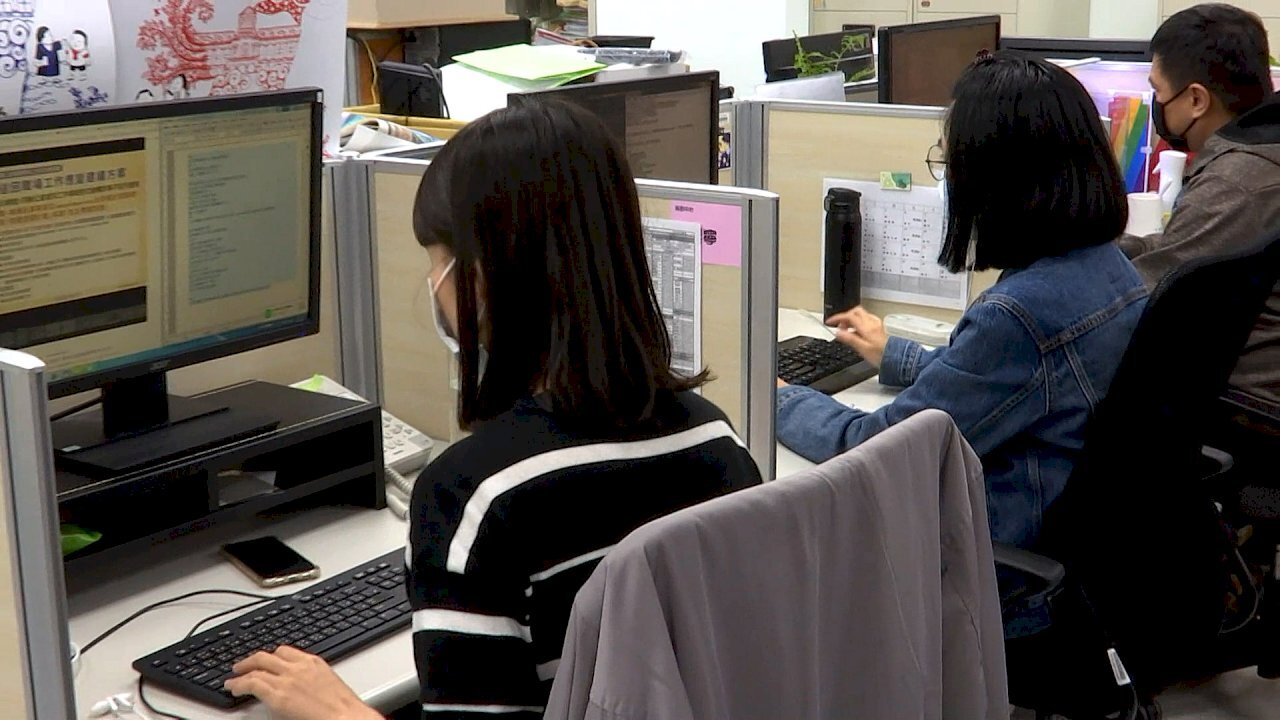
The Mental Health Association in Taiwan (MHAT) invited representatives from industry, government, and academia to a roundtable meeting on Tuesday. Experts attending the meeting emphasized that workplace mental health is a human right and creating mental health-supporting national policies should be a top priority.
Mental health issues have received increased attention in recent years both within Taiwan and globally. According to the WHO, one in eight people in the world suffered from mental illness in 2019, with anxiety and depression being the most common disorders. The 2020 COVID-19 pandemic caused a 26% and 28% increase in these disorders, respectively.
Taipei Medical University’s Public Health Professor Chen Ruey-Yu (陳叡瑜) said that Taiwan’s score on the 2023 Asia Mental Health Index was below the median and that it ranked 6th among the 12 Asian countries identified as high-stress. The survey further found that working hours have increased since the pandemic, and that a quarter of employees receive business assignments after working hours that they choose to handle regardless.
Chen said she believes the government should integrate health into all policies, as promoting health is the most effective and low-cost approach to disease and disorder prevention, with an average return on investment of 2.2. She suggested establishing a sustainable and comprehensive physical and mental health promotion plan.
Li Po-han (李柏翰), associate professor in National Taiwan University’s Institute of Health Behaviors and Community Science, added that improving workplace mental health not only creates a more resilient workforce, but also fulfills the country’s human rights obligations.