Enterovirus continues to concern doctors across Taiwan as it hits a five-year high in cases. In an interview on Monday, Mackay Children’s Hospital pediatrician Dr. Nan-Chang Chiu (邱南昌) said that the numbers are due to the immunity debt created by the COVID-19 pandemic. He emphasized that hospitals are monitoring the situation, with a specific focus on preventing Enterovirus 71, which has much more severe symptoms, from gaining a foothold.
During the last 4 years, COVID-19 imposed unprecedented disease control, impacting the epidemiology of other infectious diseases. The prolonged lack of exposure to community-acquired pathogens has resulted in a decline of herd immunity, leaving children the most vulnerable.
Chiu elaborates that influenza, a disease most commonly spread in autumn and winter, is now seeing high numbers in the spring and summer. Enterovirus clusters used to be frequent in summer, but he warns that it will remain prevalent in autumn and winter.
Domestic enterovirus cases have exceeded 10,000 for several consecutive weeks and have caused the suspension of 262 classes across Taiwan in the last week alone. However, Chiu says that most are infected by the milder Coxsackie variant and that the greater concern is over the possible appearance of Enterovirus 71, which can cause neurological symptoms including meningitis, encephalitis, or acute flaccid myelitis.
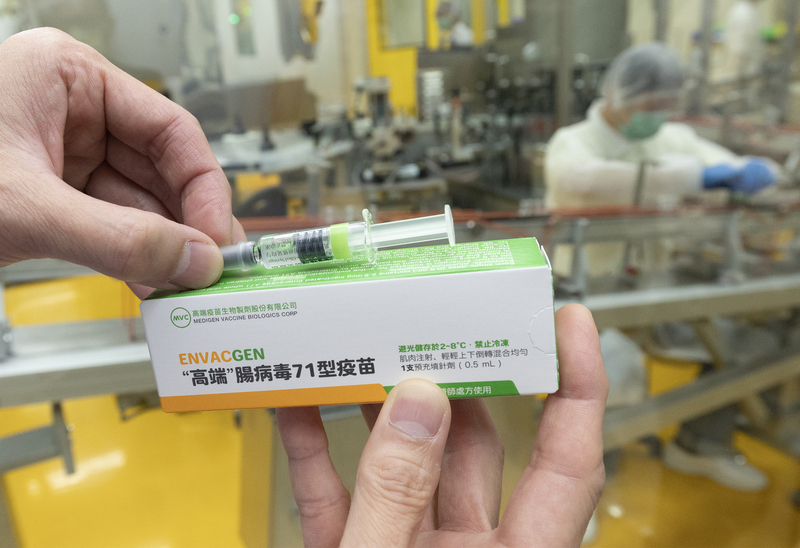
Chiu reminded parents that a vaccine is available for Enterovirus 71 and that even if their children have been infected with other forms of enterovirus, the acquired immunity will not be protective against the more dangerous form. He encourages the public to be vigilant and get vaccinated as soon as possible.