U.S. President-elect Donald Trump recently announced that he will sign an executive order imposing an additional 10% tariff on Chinese goods and a 25% tariff on goods imported from Mexico and Canada after he is inaugurated in January 2025. The issue became a hot topic of discussion among members of the economics committee at the Legislature at their meeting on Wednesday.
According to Trump’s remarks, the tariffs are meant to force these nations to clamp down on migrants crossing the border, as well as the flow of drugs into the U.S., especially fentanyl.
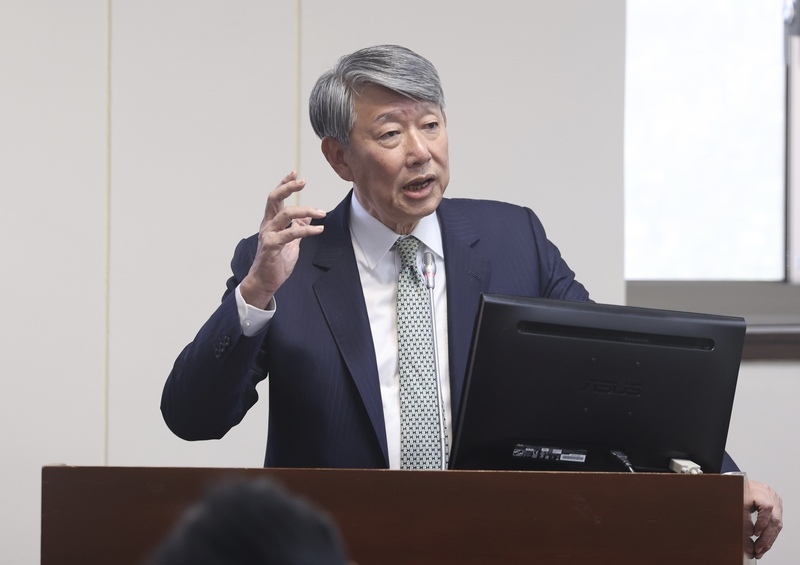
In an interview before the meeting, Economic Affairs Minister J.W. Kuo (郭智輝) pointed out that the electronics manufacturing services sector stands to be more strongly affected by the tariffs, as most electric vehicle and server manufacturers are located in the southern U.S. near the border.
As for the potential impact on Taiwanese companies, Kuo said that the Economic Affairs Ministry will help any companies that target China as a market set up factories in countries that are more China-friendly. On the other hand, if they are oriented towards American and European markets, the ministry will help them move to countries that are friendly to those markets. Kuo also said that he will help manufacturers increase added value and competitiveness, as well as reduce costs by manufacturing as close to customers as possible.