In Taiwan, traditional decorative elements and pictorial designs are often associated with propitious connotations. Among the myriad images of the auspicious that appear in art works and other media, peaches symbolize longevity and immortality, bats express blessings and hopes for happiness and good fortune, and peonies stand for riches and honor.
These lucky motifs of visual daily life are conventionally pasted on windows and doors inside residences and businesses and used for a range of prints. They also circulate as good luck characters in couplets, scrolls and other forms of textual expression.
While some themes are seen throughout the year, others like a branch of flowering plum blossoms are seasonal and particularly popular around recurring celebrations. Such festivals provide the occasion for projecting new hopes and growing expectations into the future.
Thus, the fish is a favorite motif for wealth and regeneration during New Year’s because the pronunciation of the character for “fish” is identical to that for “abundance”, “surplus” or “plenty”.
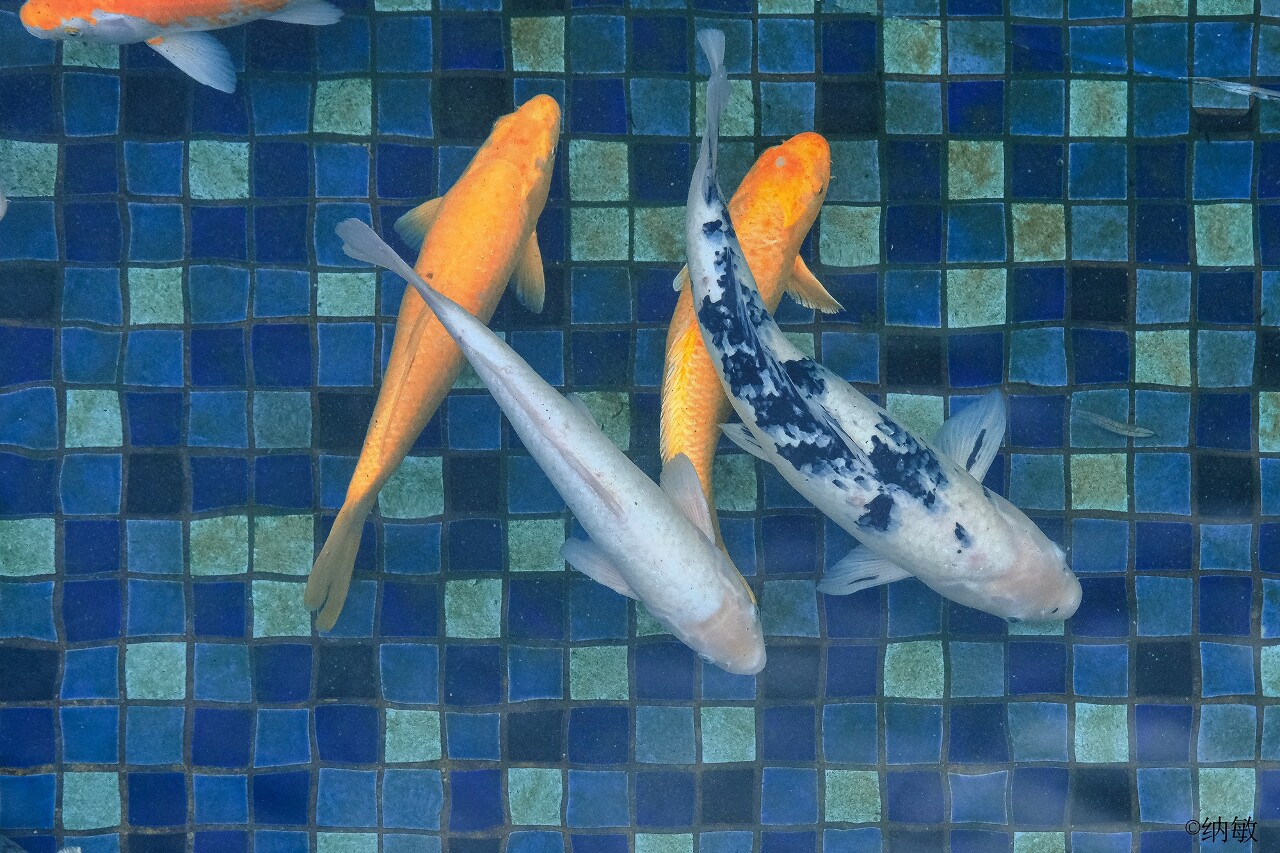
Another especially popular metaphor of honor and prosperity is the symbol of a carp. The carp is an important emblem of perseverance and success because of its golden color, scaly skin, storied ability to leap into the air and phonetic connection with strength and profits.
While Taiwanese society has changed significantly over time, these cultural representations, even if associated with ancient traditions, are still commonly used at the beginning of every new year to welcome its arrival.