After the tragedy of Jeju Air flight 7C2216, the Legislative Transportation Committee on Monday reviewed the Central Budget regarding National Transportation Safety.
On Sunday morning, the South Korean Jeju Airlines flight took off from Bangkok, Thailand carrying 181 passengers and crew. When landing at South Korea’s Muan Airport, the plane skidded without landing gear down the runway and into an airport wall, where the vessel exploded and burned. All but two crew perished in the crash, the exact cause of which is still unknown.
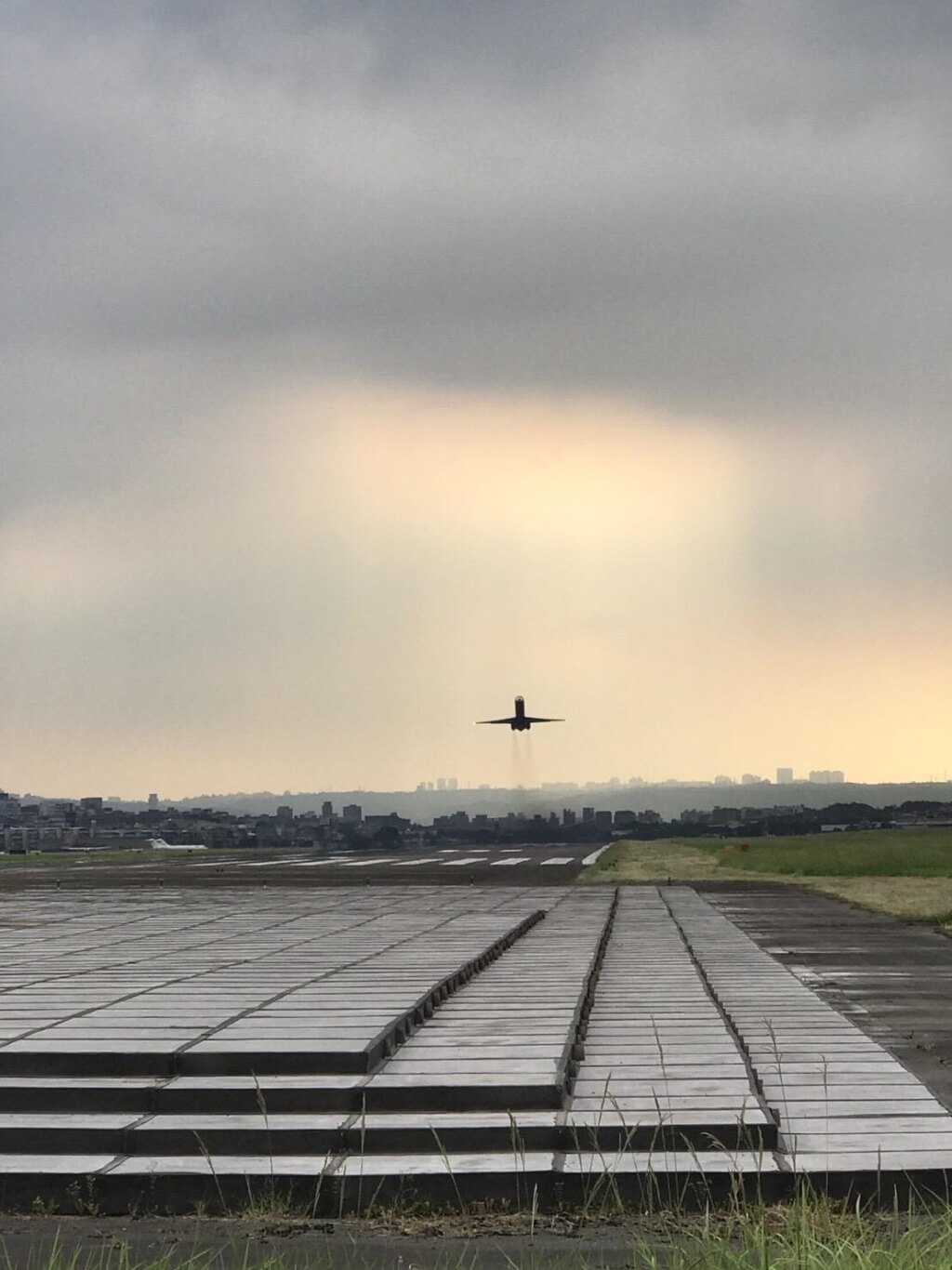
In the Transportation Committee meeting on Monday, DPP Legislator Lee Kun-Tse (李昆澤) pointed out that Songshan Airport’s landing strip is 200 meters shorter than Muan Airport’s 2,800-meter strip. However, Taiwan Transportation and Safety Board chairman Lin Shinn-der (林信得) said following a similar, though non-fatal, incident in 2004 the airport installed an engineered materials arrestor system (EMAS).
EMAS is a bed of materials designed to rapidly slow the speed of a vessel that may overshoot the runway without destroying it– similar to the function of a gravel pit in a racing track. At the same time, the surrounding walls were also updated to cause less damage in case of an incident. EMAS is used by airports around the world with shorter runways, and Songshan Airport’s system and related facilities are inspected every two years.
Lin recommended that the Civil Aviation Administration (CAA) do a case study into the Jeju Air tragedy. The CAA, in cooperation with the U.S. National Transportation Safety Board, conducts research on domestic airports when similar accidents occur.
In response to speculation that the Jeju Air accident was due to a landing gear failure and concerns that China Airlines still operates 10 of the same aircraft model, board executive director Lin Pei-da (林沛達) suggested strengthening testing and maintenance during the aircraft’s routine maintenance.