United States President Donald Trump’s position on the Taiwan Strait remains unchanged – that peace and stability in the Strait are essential to regional security and prosperity. The administration further opposes any unilateral attempts to change the status quo, even as China’s position remains unchanged.
The international community has been watching closely after Trump and his administration took office for indications of the returning administration's position on the situation at the Strait. Three actions show that the administration’s viewpoint remains unchanged: U.S. Secretary of State Marco Rubio expressed concerns to Chinese Foreign Minister Wang Yi (王毅) about China’s coercive actions against Taiwan in the South China Sea. Japanese and U.S. leaders released a joint statement in early February both supporting Taiwan’s meaningful participation in international organizations and advocating for peace and stability in the Strait. Finally, Japanese, South Korean, and U.S. foreign ministers’ joint statement on the sidelines of the Munich Security Conference reiterated the position of the earlier U.S.-Japan statement.
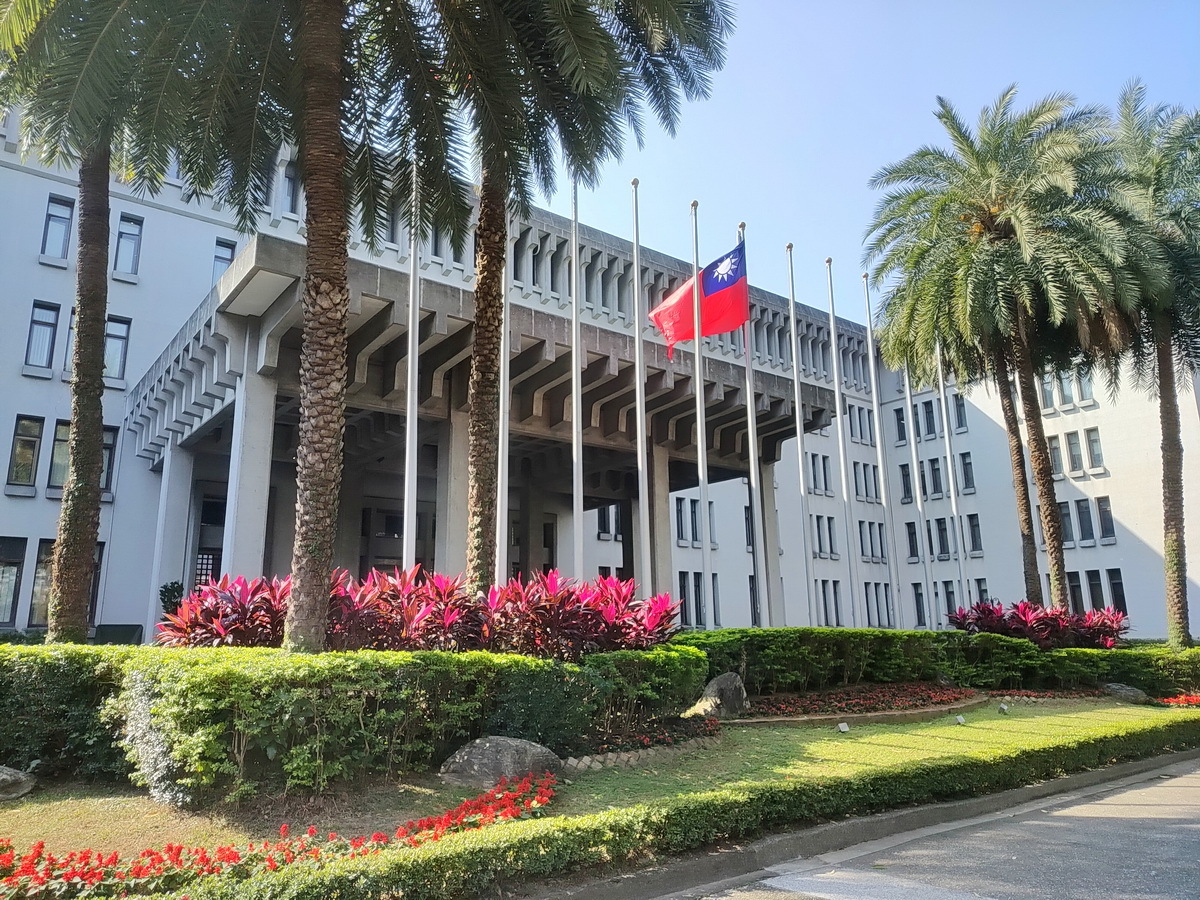
Taiwan’s Foreign Ministry interprets these positions as demonstrations that the Trump Administration’s Indo-Pacific and Taiwan-Strait policies appear to be continuations of long-held views, with both substantive and symbolic impact.
The ministry asks for the international community’s continued support in dealing with threats to the status quo by China’s gray zone and economic coercion. It reiterated that as a responsible member of the international community, Taiwan will continue to enhance its national defense, strengthen economic resilience, and work together with like-minded partners such as the U.S., Japan, and South Korea to ensure peace, stability, and prosperity in the Indo-Pacific region and Taiwan Strait.