In response to the U.S. decision to impose a 32% tariff on Taiwanese imports, the Taiwanese government has mobilized a negotiation team led by Vice Premier Cheng Li-chun (鄭麗君) to initiate talks with Washington. The new tariff policy, part of the U.S. reciprocal tariffs approach, has raised concerns over its impact on Taiwan’s industries and exports.
Following the announcement, President Lai Ching-te (賴清德) proposed five major response strategies last Sunday. The Cabinet also rolled out a support plan covering nine key areas, 20 specific measures, and a budget of NT$88 billion (US$2.67 billion). It is also conducting consultations with legislative party caucuses to build consensus across political lines.
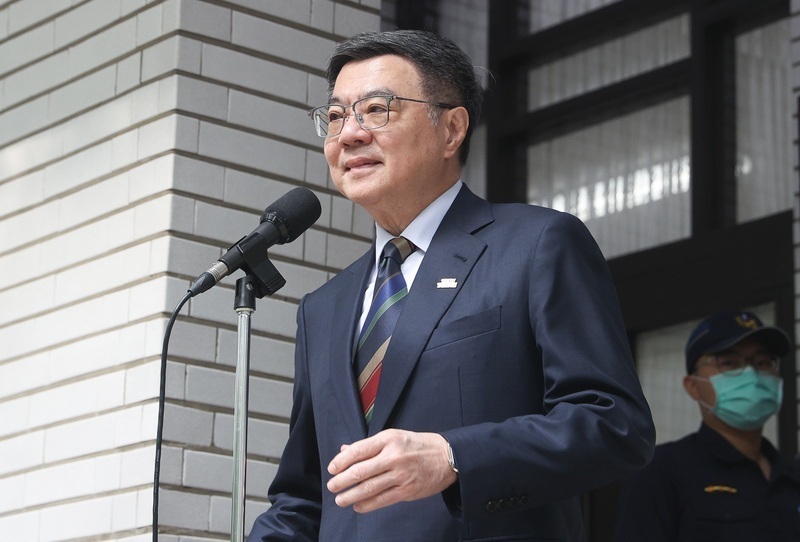
Premier Cho Jung-tai (卓榮泰) said on Tuesday that Taiwan is among several countries seeking negotiations with the U.S. and had begun communication through existing channels before April 3. He adds that after the U.S. announced its new tariff policy, the Cabinet immediately submitted a response plan to the Presidential Office.
Cho says proposals can only be presented to the U.S. during the negotiation process and expresses regret for not being able to share the details at this time. He calls for public trust, stressing that the government will do its utmost to advocate for Taiwan’s interests.
Foreign Minister Lin Chia-lung (林佳龍) says the government is ready with multiple proposals, including potential talks on tariff reductions, procurement, investment, and non-tariff trade barriers. The Foreign Ministry, which is part of the Cabinet’s economic diplomacy task force, reaffirmed that Taiwan-U.S. relations remain strong despite the current tariff challenges.