After President Trump announced his reciprocal tariff policy last Wednesday, Taiwan is likely to face a 32% tariff on its exports to the U.S. This policy has already impacted Taiwan’s domestic industries and stock market. In response, President Lai Ching-te (賴清德) said Monday that the Taiwanese government plans to expand its arms purchases from the U.S. to help balance trade between the two sides.
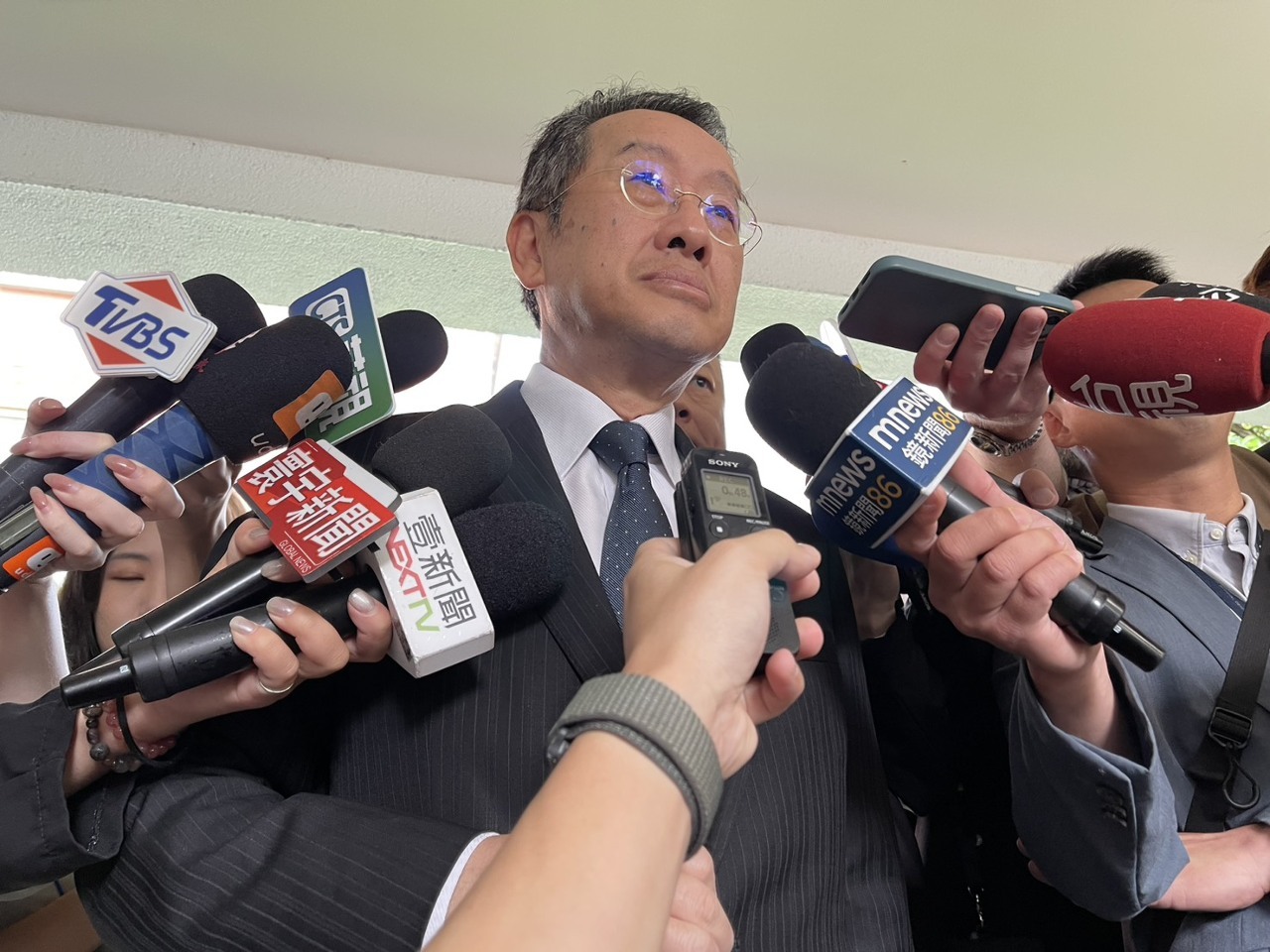
In an interview before answering interpellation at the Legislature on Tuesday, Defense Minister Wellington Koo (顧立雄) stated that the President has instructed the government to raise defense spending to 3% of GDP. He mentioned that the Defense Ministry has prepared a list of arms purchases from the U.S., aiming to balance Taiwan-U.S. trade.
Koo added that his ministry will engage in comprehensive communication with the U.S. government, prioritizing four key issues: building asymmetrical warfare capabilities, increasing defensive resilience, enhancing reserve command capabilities, and responding to grey-zone tactics.
Koo further elaborated that the ministry will focus on three areas to boost military spending: personnel and operational maintenance, and military investment. He explained that military investment will include arms purchases, business acquisitions, and strengthening the domestic manufacturing industry. He also noted that the percentage of military investment is expected to rise if the government secures additional funding.