The Maanshan Nuclear Power Plant’s No. 2 reactor is set to be decommissioned on May 17, which will bring Taiwan's nuclear power capacity down to zero. This has sparked public concerns about potential electricity price hikes and shifts in the energy mix.
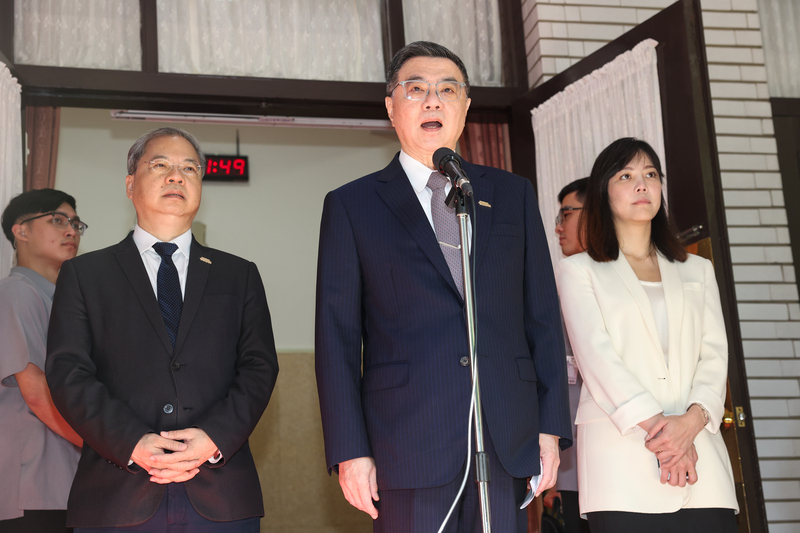
Premier Cho Jung-tai (卓榮泰) told reporters that the operation reserve remained above 15% earlier in the day. He added that the decommissioning of the reactor would reduce the reserve by approximately 3%, based on information from the Economic Ministry and Taiwan Power Company.
Cho reassured the public that electricity provision would remain stable, thanks to new generator sets being added to other power plants across Taiwan. He also emphasized that the government will continue to develop diverse green energy sources, improve energy efficiency, and strengthen power grid reliability. Furthermore, Cho said that power generation would be sufficient to meet the needs of domestic industries and support the growth of AI technology for the foreseeable future.
When asked about the government's emergency response in the event of a large-scale power outage, Economic Minister Kuo Jyh-Huei (郭智輝) said the government is prepared to respond effectively. He emphasized that Taiwan has robust power management measures in place to handle such situations.
Kuo noted that following the decommissioning, the majority of Taiwan’s power supply will come from fossil fuels. However, he emphasized that power stations have transitioned to using low-carbon natural gas and have increased the share of green energy to minimize the impact on air quality. He added that the share of green energy is projected to reach 20% by November next year and 30% by 2030.