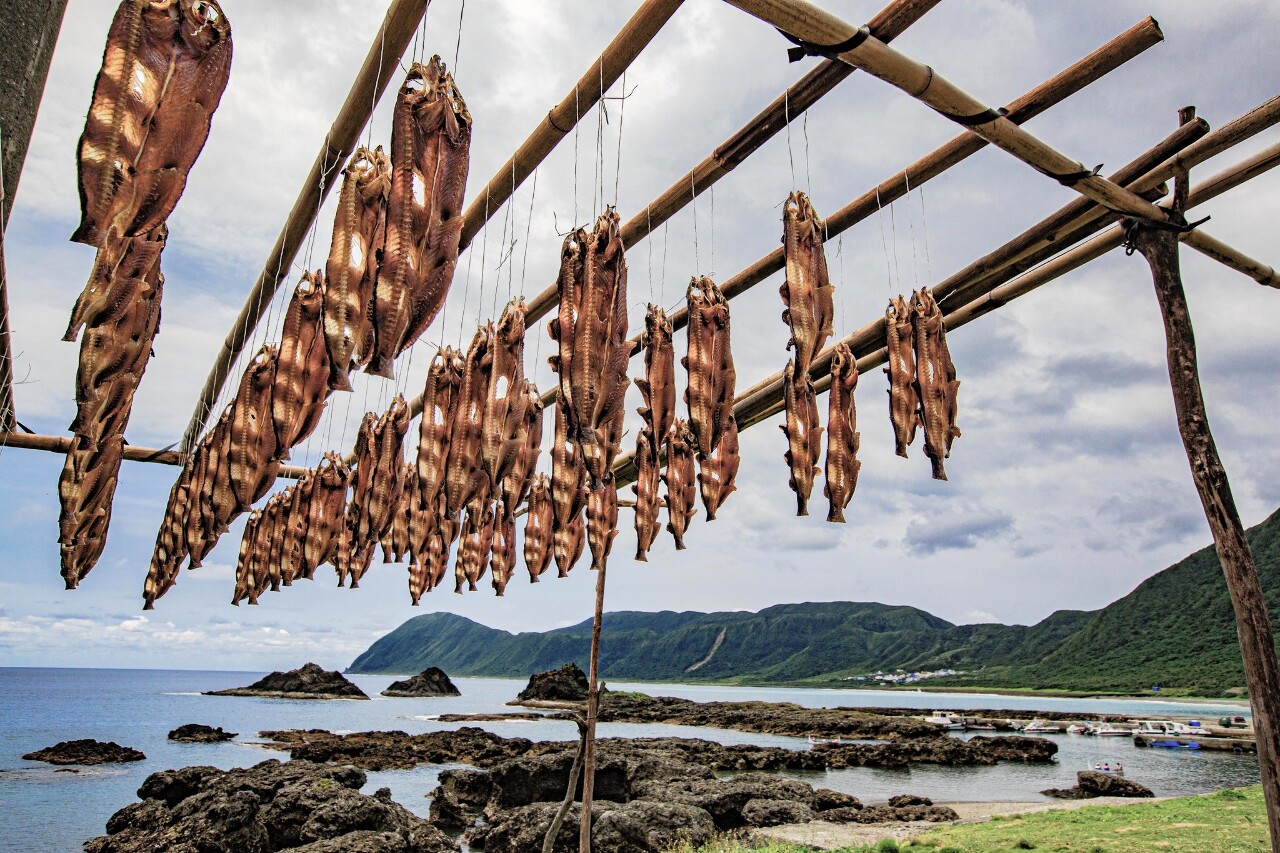
Tao (Yami) peoples catching flying fish off the coast of Pongso no Tao – called Orchid Island in English or Lanyu in Chinese – in southeast Taiwan is a ritual that has been carried out every year for generations. Known in the Tao language as “libangbang”, meaning a gift from heaven, the flying fish are one of the two most important traditional food sources to Tao peoples and a main part of the annual ritual cycle.
The flying fish hunting season is approximately from February to June, although the dates may change every year and vary from village to village, depending on the local ecology. Tao fishers pursue the migratory fish in February and March, when the warm equatorial waters of the Kuroshio ocean current flow northward, bringing large shoals of fish from Japan. April and May are considered the best time to taste the fish, while the season generally ends around June, when maritime weather patterns change.
The season is historically protected by cultural taboos that sustain stocks from overfishing and provide evidence of Tao people’s unique coastal and marine ecological and cultural knowledge. According to tradition, for example, flying fish may only be harvested in certain areas using plank boats, called balangay, and only certain species of fish can be fished using particular gear. In addition, fish may only be caught by a certain number of fishers at specific times and consumed by certain members of the household. Together, these methods of conservation not only structured the Tao lifeworld, they also supported a rich marine ecosystem of fish, shellfish, turtles, birds and other aquatic resources.
Nowadays, motorized fishing craft are replacing traditional wooden boats, while tourist arrivals have increased to more than 500,000 visitors per year. Further offshore, bottom trawling and other destructive practices are also contributing to overexploitation, degradation and pollution. Such trends are not only reducing the original abundance of biodiversity, they also underscore the importance of Tao people’s traditional knowledge and techniques for the future availability of flying fish and long-term prospects of the community.