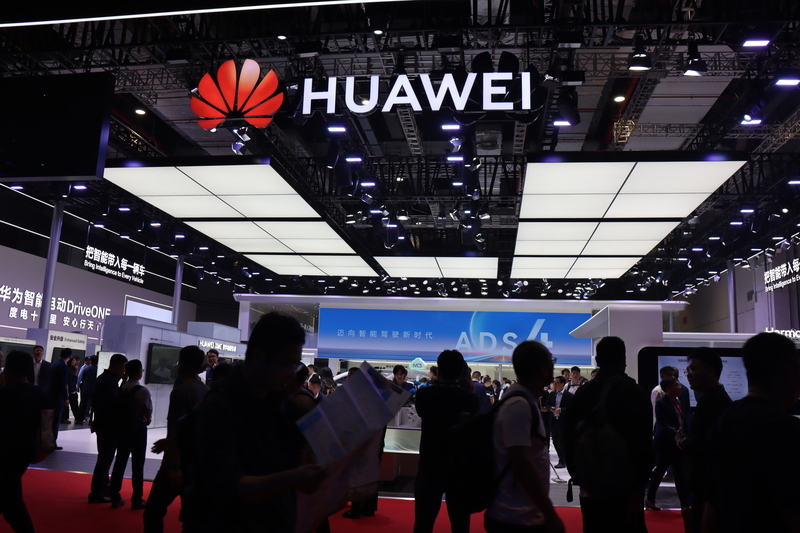
U.S. tech media says Huawei’s path to catching up with NVIDIA may be far more costly and time-consuming than expected.
NVIDIA CEO Jensen Huang has repeatedly warned of Huawei’s growing AI capabilities. However, according to a report published Thursday by U.S. tech outlet The Information, Chinese tech firms face steep hurdles in switching away from NVIDIA’s ecosystem. Many have long relied on the company’s CUDA platform, making any transition difficult. Meanwhile, Huawei’s AI chips reportedly suffer from technical flaws such as overheating and system crashes.
The Information reports that Huawei is struggling to convince China’s tech giants—such as ByteDance, Alibaba, and Tencent—to adopt its AI chips. Despite tightening U.S. export controls, these firms continue to favor NVIDIA hardware and have yet to place large-scale orders for Huawei’s alternatives.
Analysts at Bernstein note that Huawei may only gain traction in the AI ecosystem if a major developer, such as Chinese startup DeepSeek, commits to using its chips and software extensively for AI training. Adding to the challenge, the U.S. Commerce Department recently issued a warning that any unauthorized use of Huawei’s AI chips could violate U.S. export laws and result in severe criminal and administrative penalties.
The report concludes that while Jensen Huang’s warning rings true—U.S. sanctions are fueling innovation in China—the final stretch in the AI race may prove more difficult and expensive than anticipated.