Health experts in Taiwan are urging the government to lower the age threshold for high-risk COVID-19 groups from 65 to 50, which would expand access to publicly funded antiviral treatments for those infected.
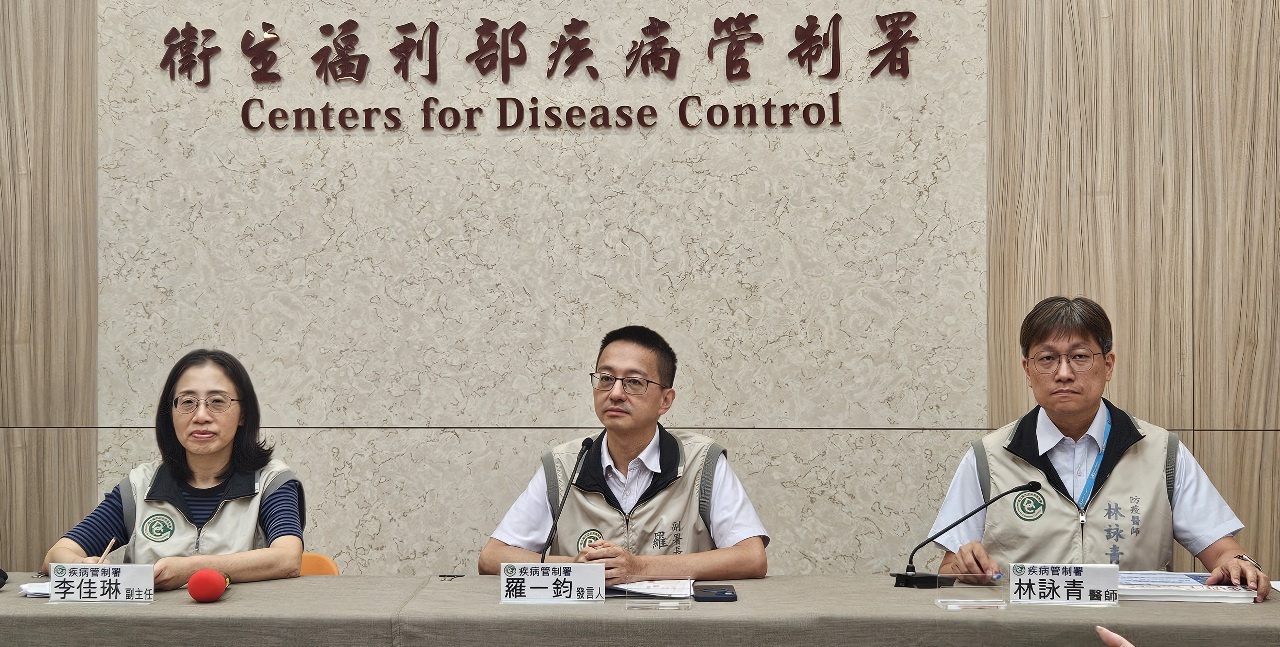
Although Taiwan’s overall COVID case growth has slowed, the number of severe cases and deaths continues to rise. Last week saw 166 new severe cases and 25 deaths—the highest weekly total so far this year. CDC spokesperson Lo Yi-chun (羅一鈞) said Friday that 105 severe COVID-19 cases have been reported this year among 50–64-year-olds, with nearly 90% involving chronic conditions. He noted that this group already qualifies for publicly funded antivirals, suggesting existing policies are sufficient, even with increased hospitalizations among both the 50–64 and 65+ age groups signaling ongoing risk for older populations.
Lo emphasized that vaccines remain more effective than oral antivirals at preventing severe illness, but vaccination rates in the 50–64 age group remain low at just 8.9%. He urged renewed focus on boosting coverage and said the CDC will continue to review eligibility guidelines annually.
Experts argue that the current high-risk definition, set at age 65, no longer reflects actual conditions. They recommend following international practice by lowering the threshold, allowing timely access to antivirals that could reduce hospitalizations and deaths.