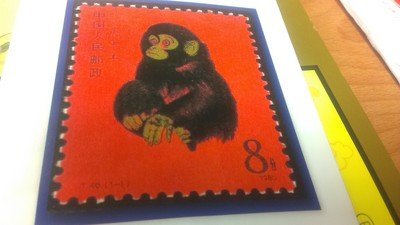
Compared with the other animals in the Chinese zodiac, the monkey probably has fewer positive qualities in Chinese culture as it is a playful and naughty creature who enjoys unexpectedly poking fun at others. For example, a not-too-polite but commonly used expression in Taiwan is “Hou Ji.” Hou refers to the monkey and Ji is an adjective, which means to hurry. When people do things frantically, they sometimes get a curt and impatient response from others: Why are you in such a hurry like a monkey?
Another example is “Hou Xi.” Although it means a show by a performing monkey ((I think we sometimes call them “circus monkeys”)), it is also used to describe monkey business .
But thanks to the use of a clever pun, the animal does have at least one auspicious phrase associated with it. The Chinese word for monkey is pronounced “Hou”, which happens to have the same pronunciation of another word for marquis. A title for high-ranking noblemen, marquis, however has a broader meaning in Chinese culture as it is often used to describe promotion to a higher rank. Take the phrase馬上封候 as an example. Literally, it means a monkey on horseback. But the phrase actually means that one will be promoted right away.
In Chinese literature, the “Monkey King,” vividly depicted in a classic Ming dynasty novel titled “Journey to the West”, is undoubtedly an endearing protagonist. Born from a stone, the Monkey King is known for his antics, somersaults, spells and skillful fighting. What’s more, the Monkey King surpasses the Transformers in the Hollywood film of the same name, because he can transform himself into 72 different
And finally, President-elect Tsai Ing-wen, who won a landslide victory in the presidential elections on January 16th, was born in 1956, which just so happens to be the year of the monkey.